Iron Dunes
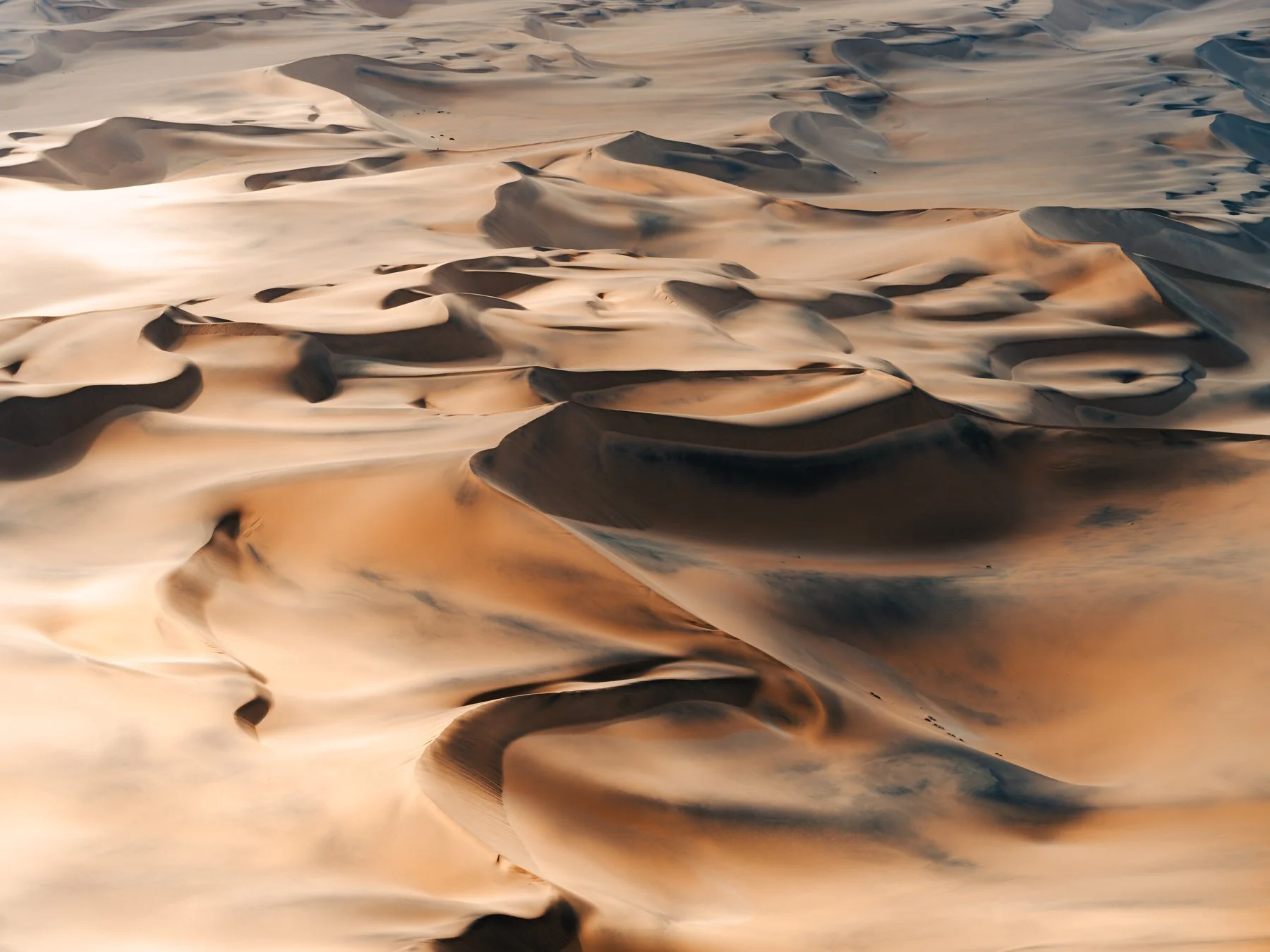
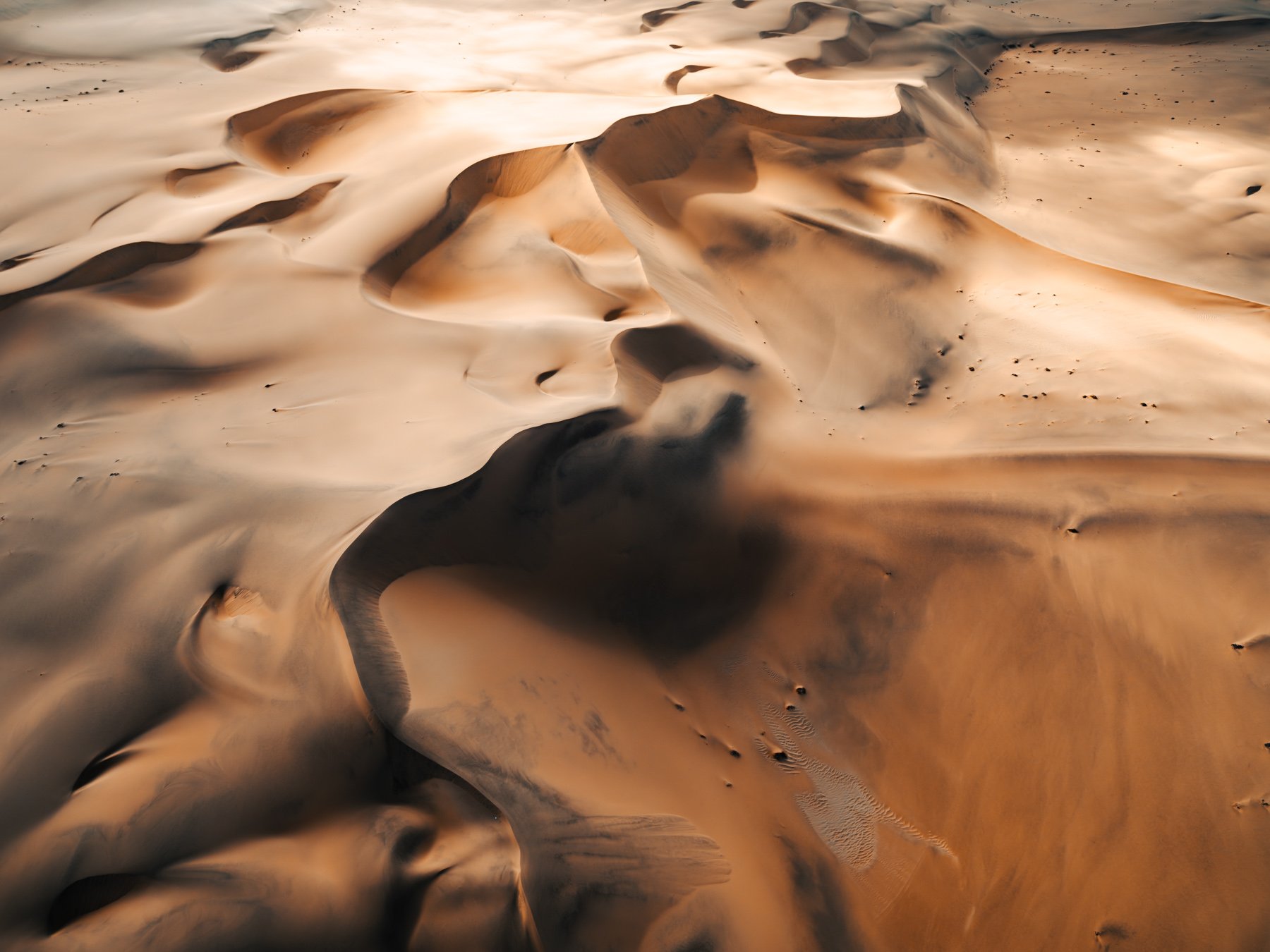
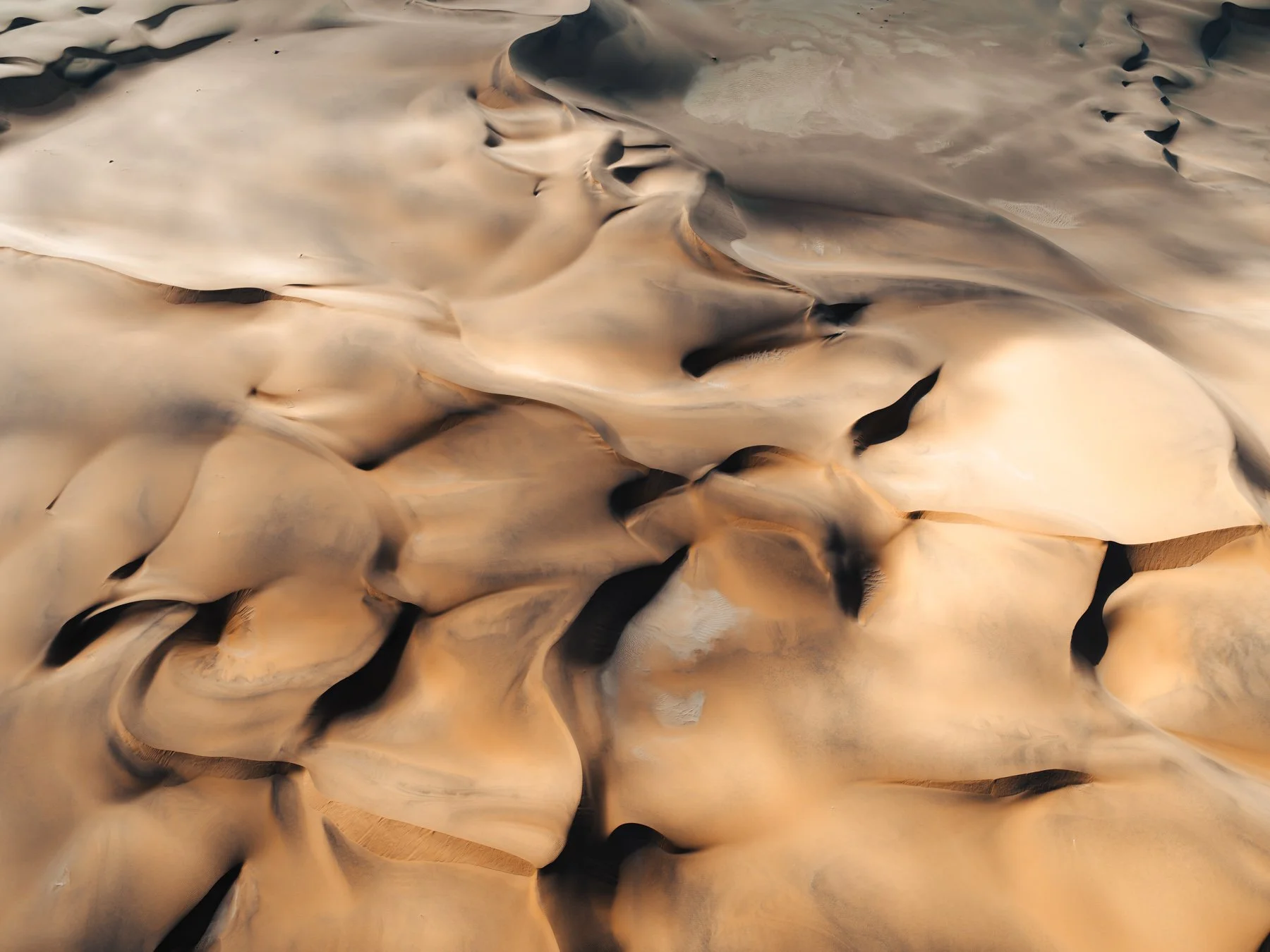
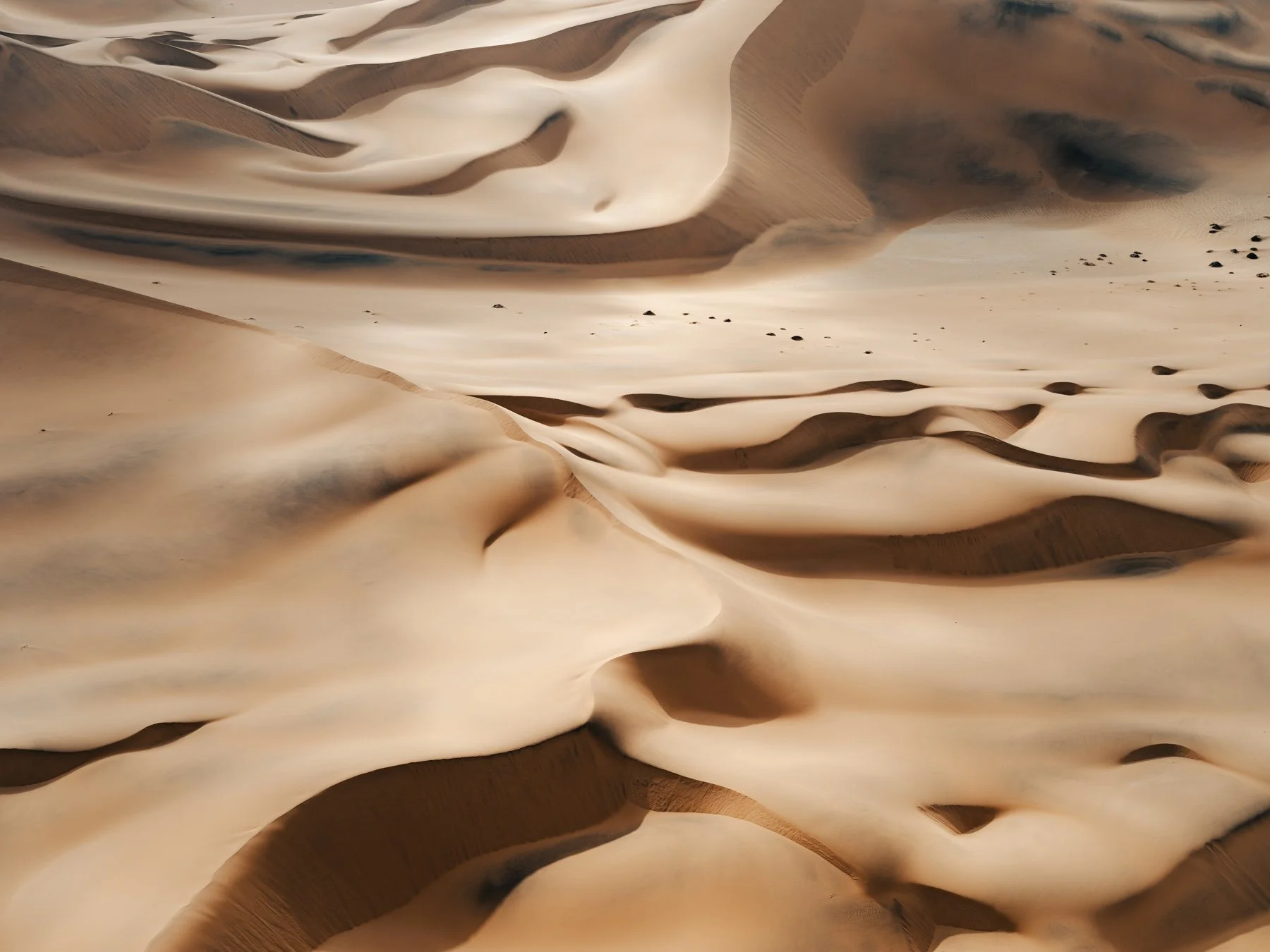
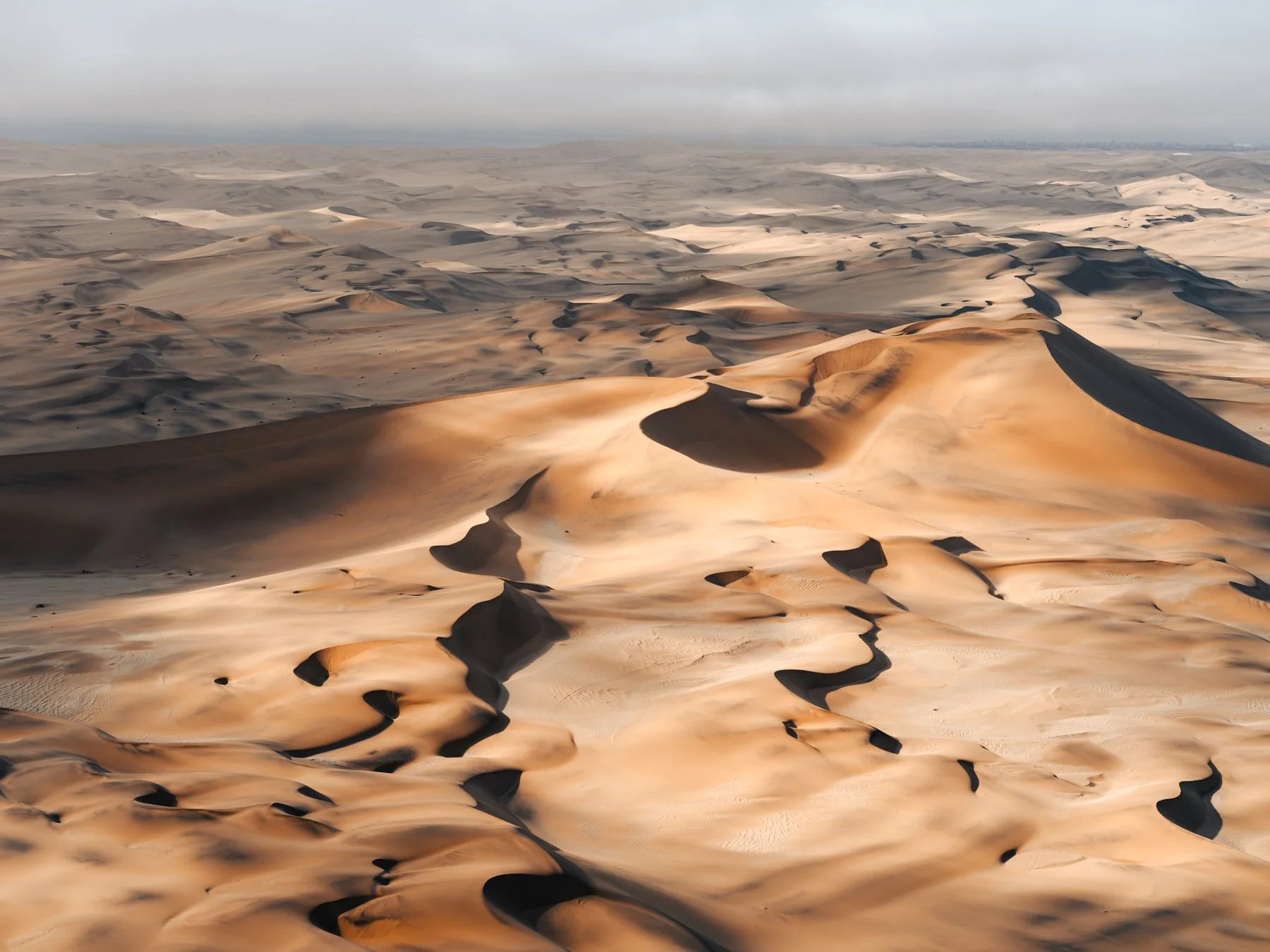
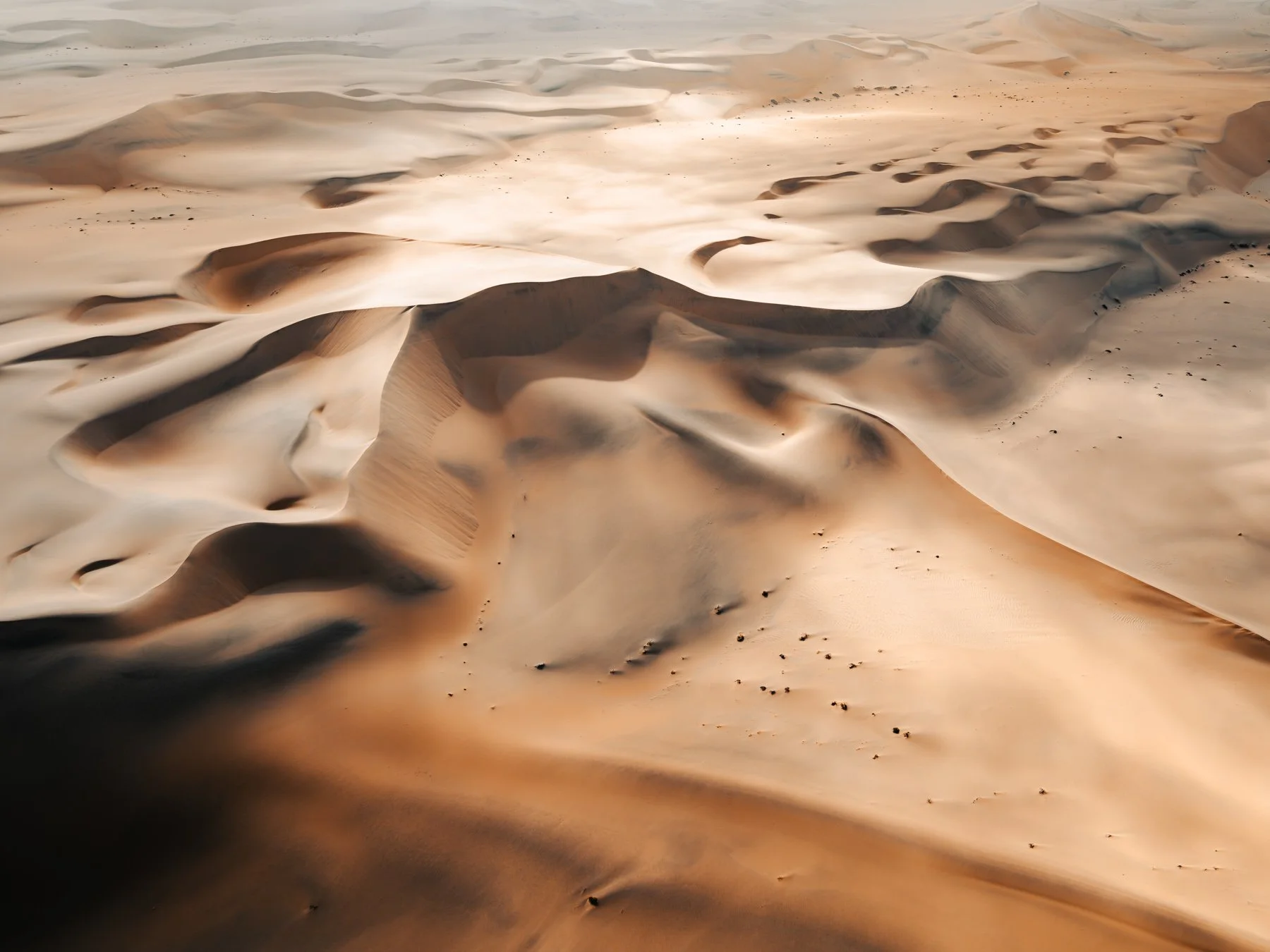
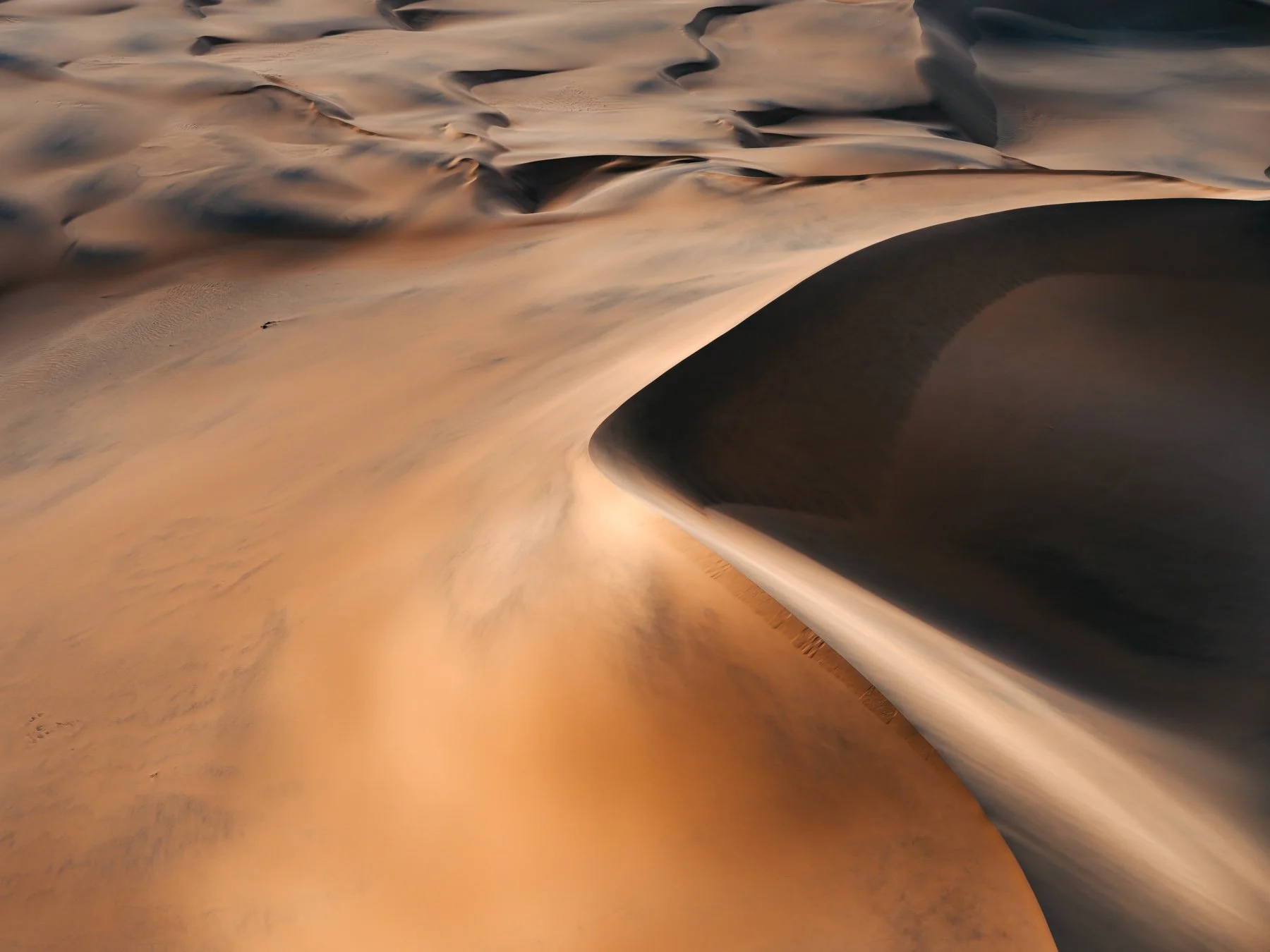
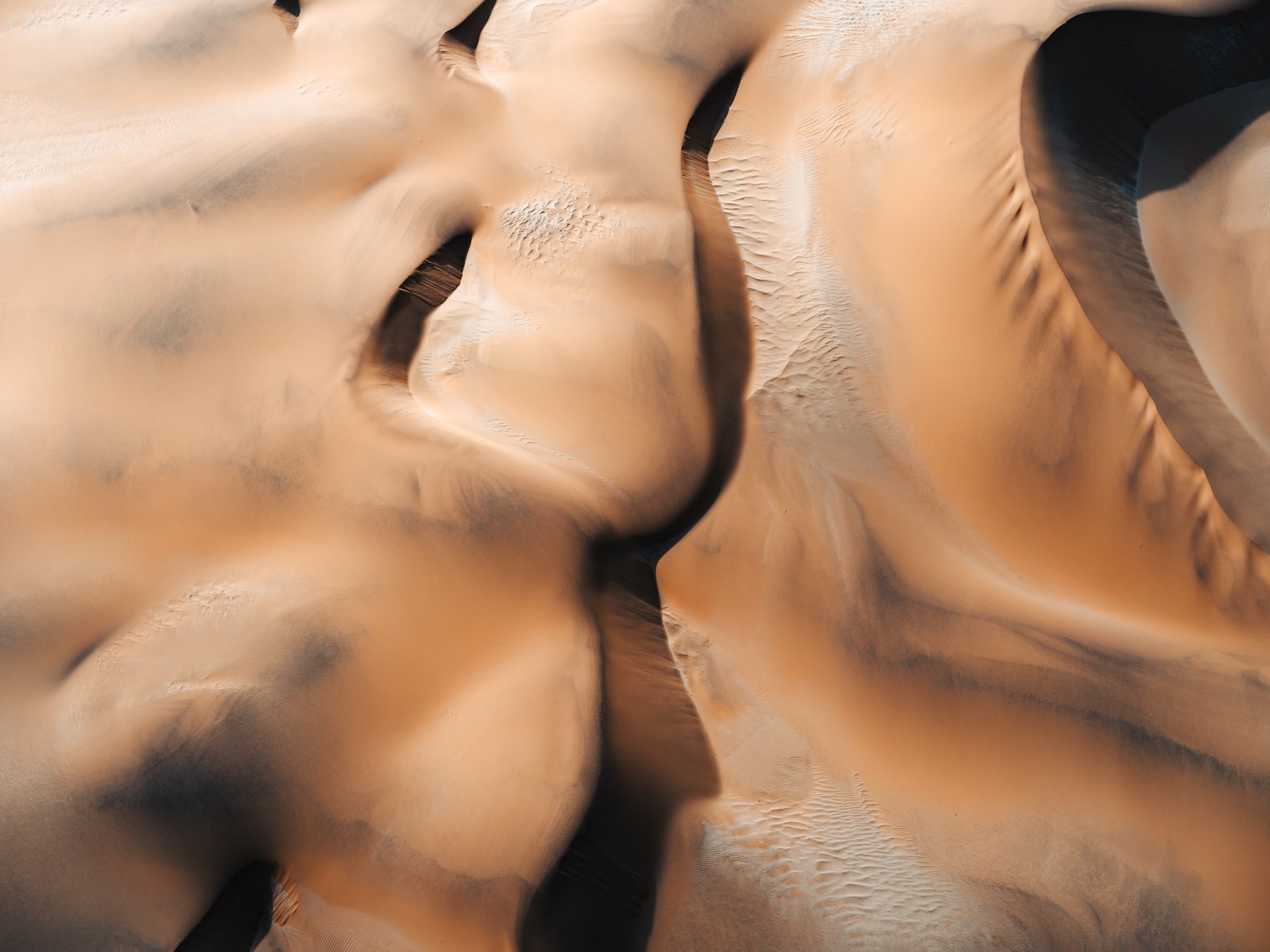
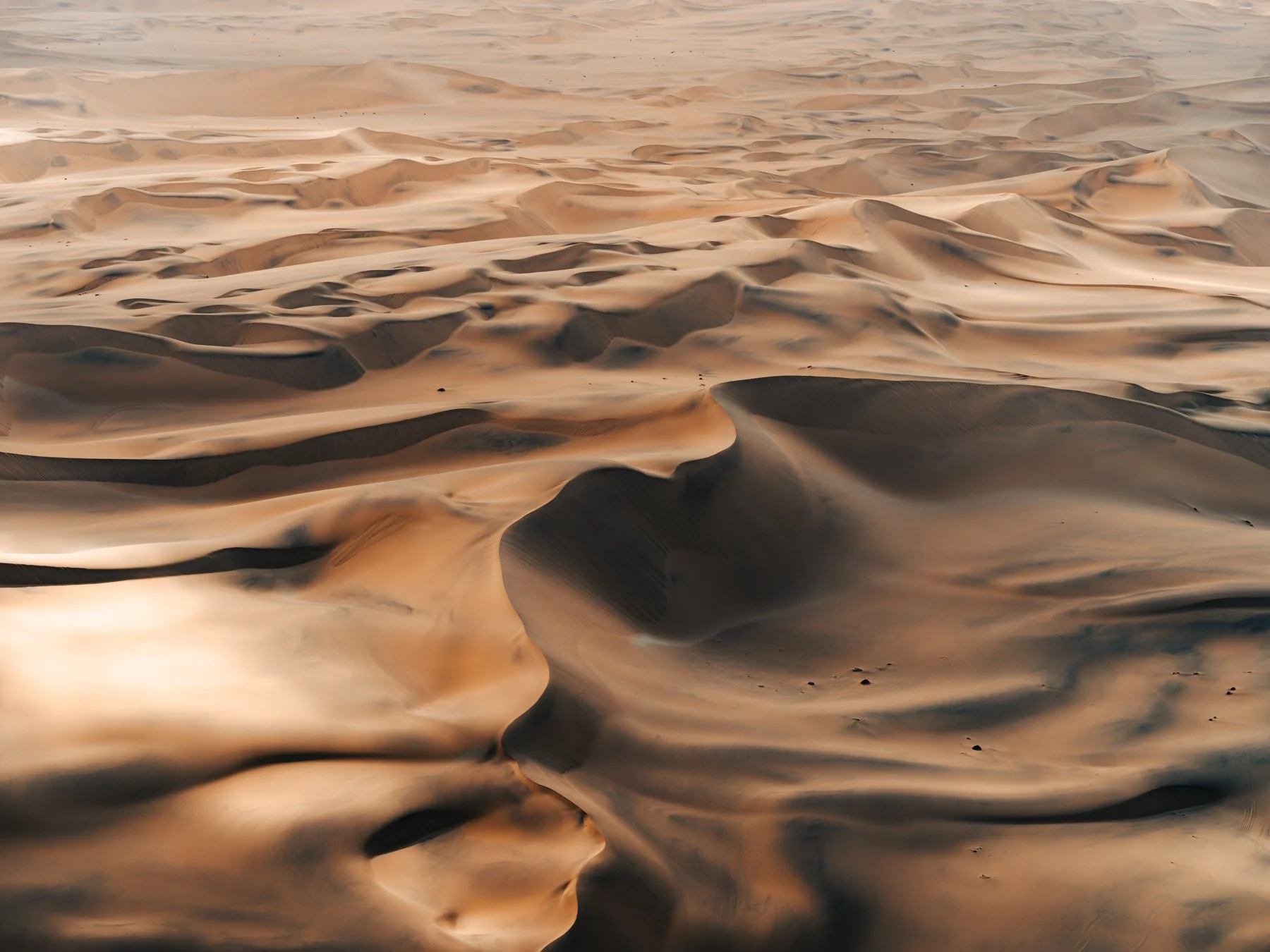
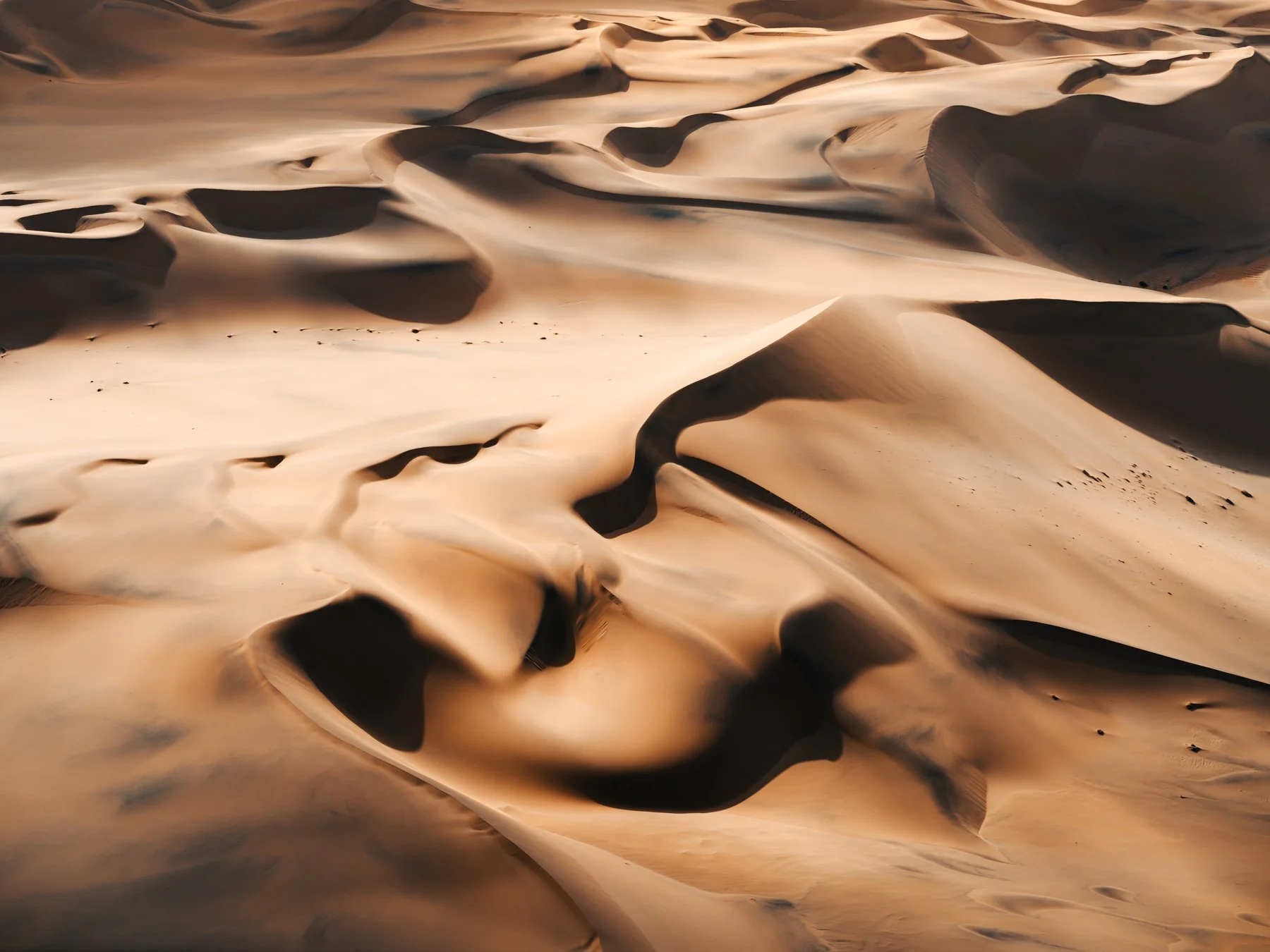
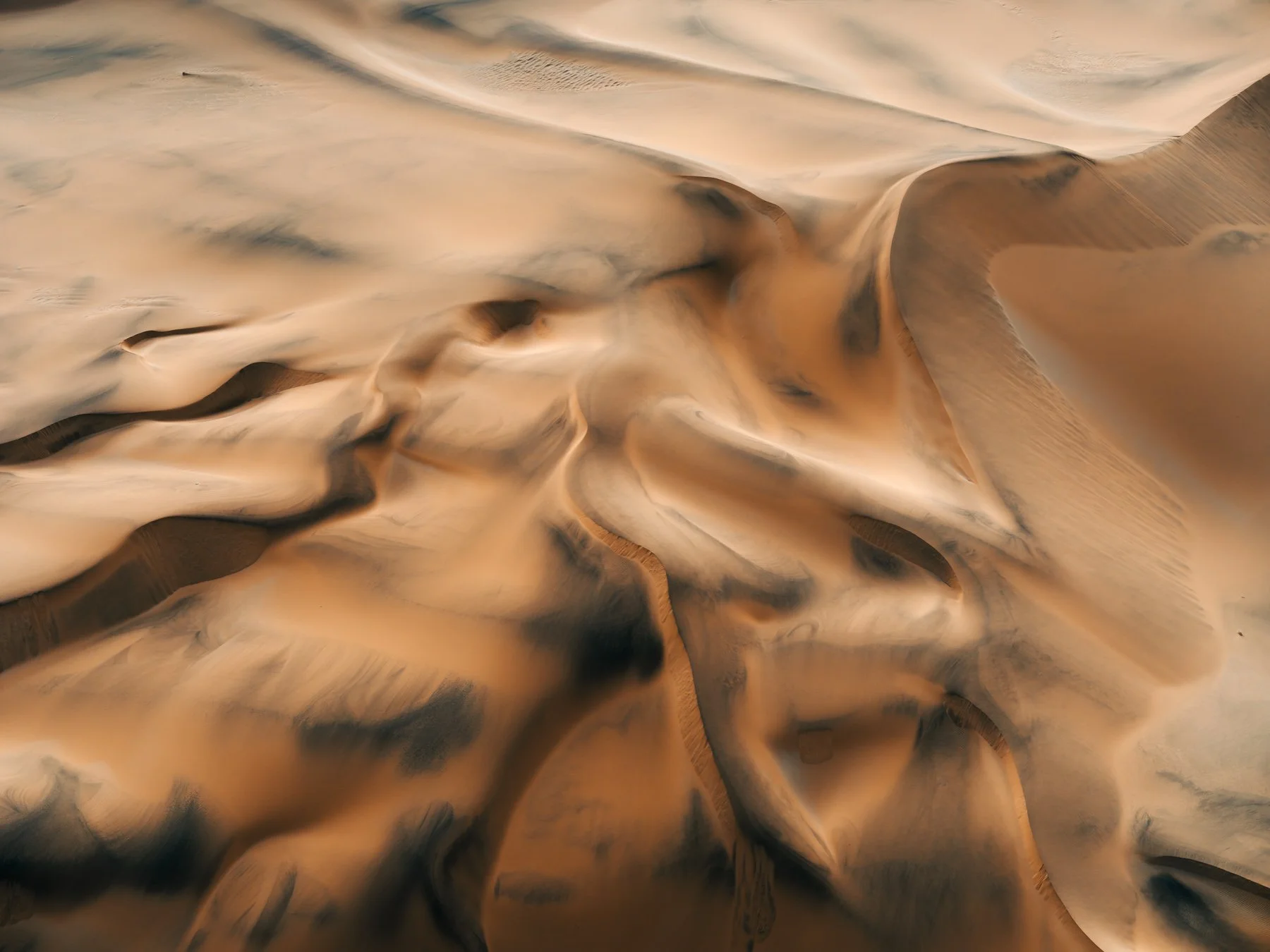
The Namib Desert along Namibia’s Atlantic coast is among the oldest desert systems on Earth. Its dunes consist mainly of quartz sand coated with iron oxides such as hematite and goethite, which give the landscape its distinctive red and orange tones formed through long-term weathering and oxidation under arid conditions.
In certain areas, darker surface layers can be observed. These are formed by the accumulation of heavy minerals such as magnetite and ilmenite, which remain after lighter sand particles are removed by wind erosion. This natural sorting process produces thin black deposits on dune crests and slopes. The concentration and distribution of these minerals vary depending on local wind dynamics and sediment source regions.
This project shows the geological composition and surface structures of the Namib’s dune systems. It documents the mineral diversity and the visual patterns created by natural processes such as oxidation, erosion, and sediment transport. Showing the connection between the desert’s visual appearance and its underlying geological characteristics.
Selected artworks are available as fine art prints. Please visit the Print-Shop for orders and informations.