Where Oil Becomes Landscape - A Study of Land in Transformation
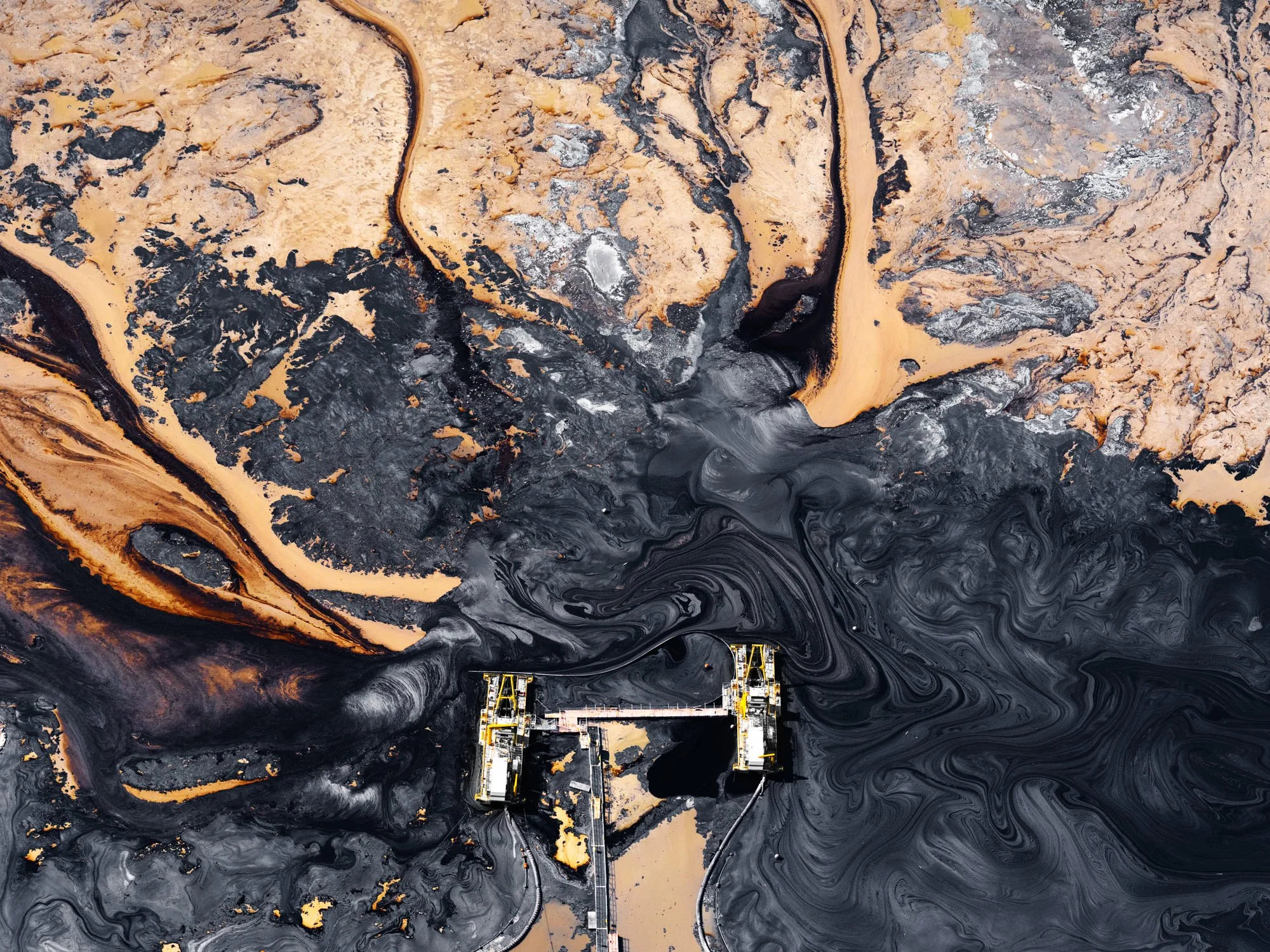
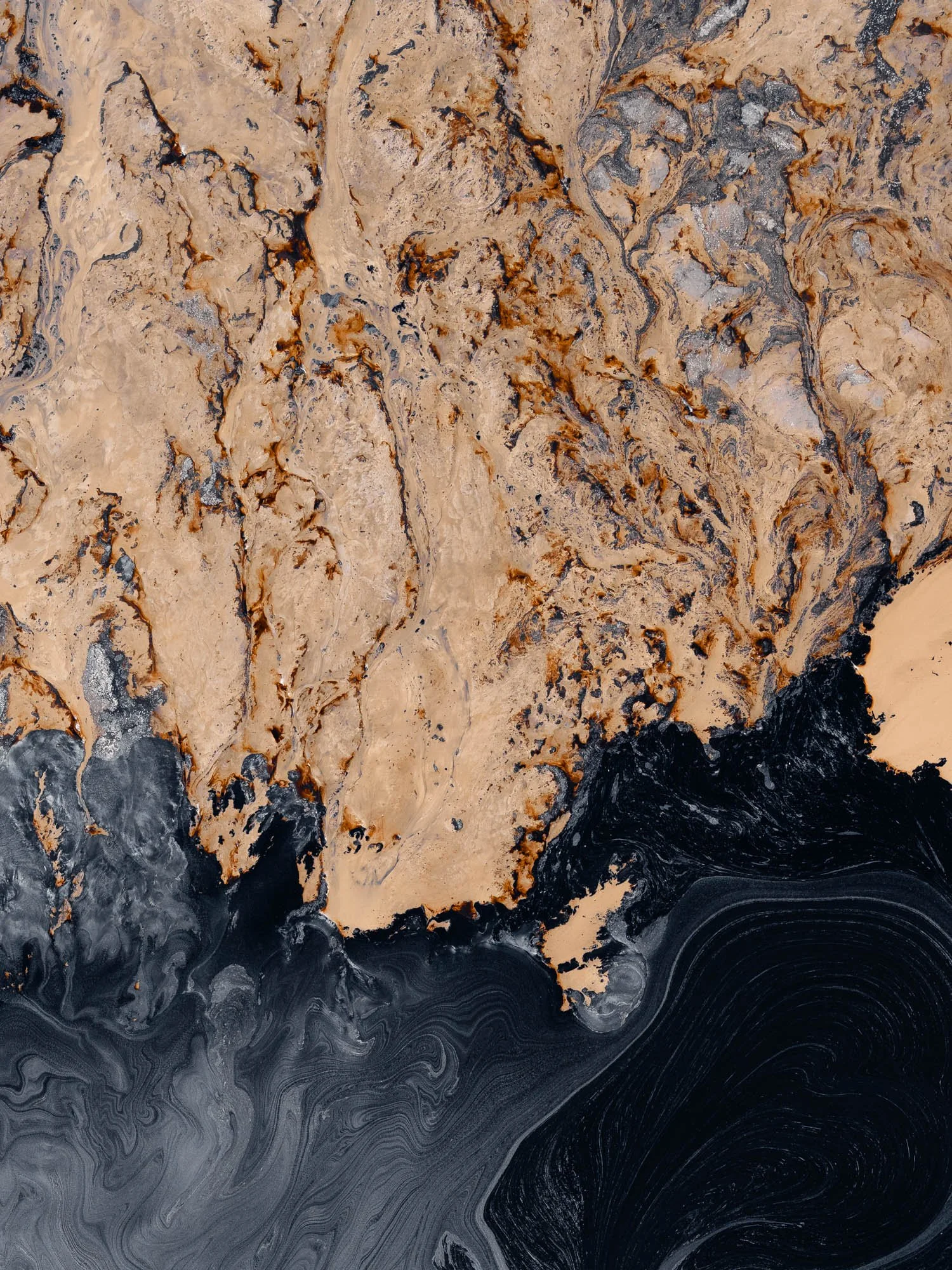
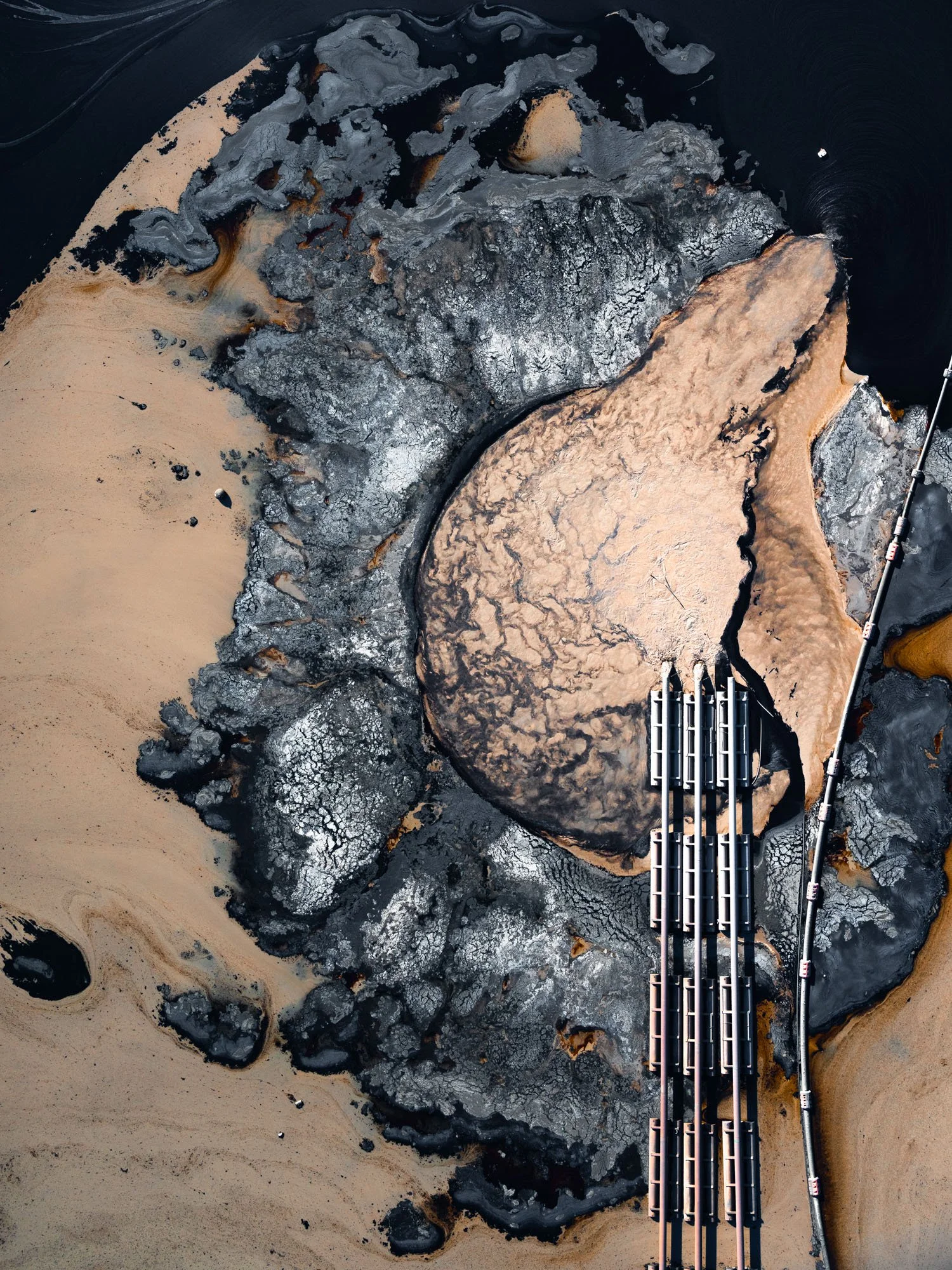
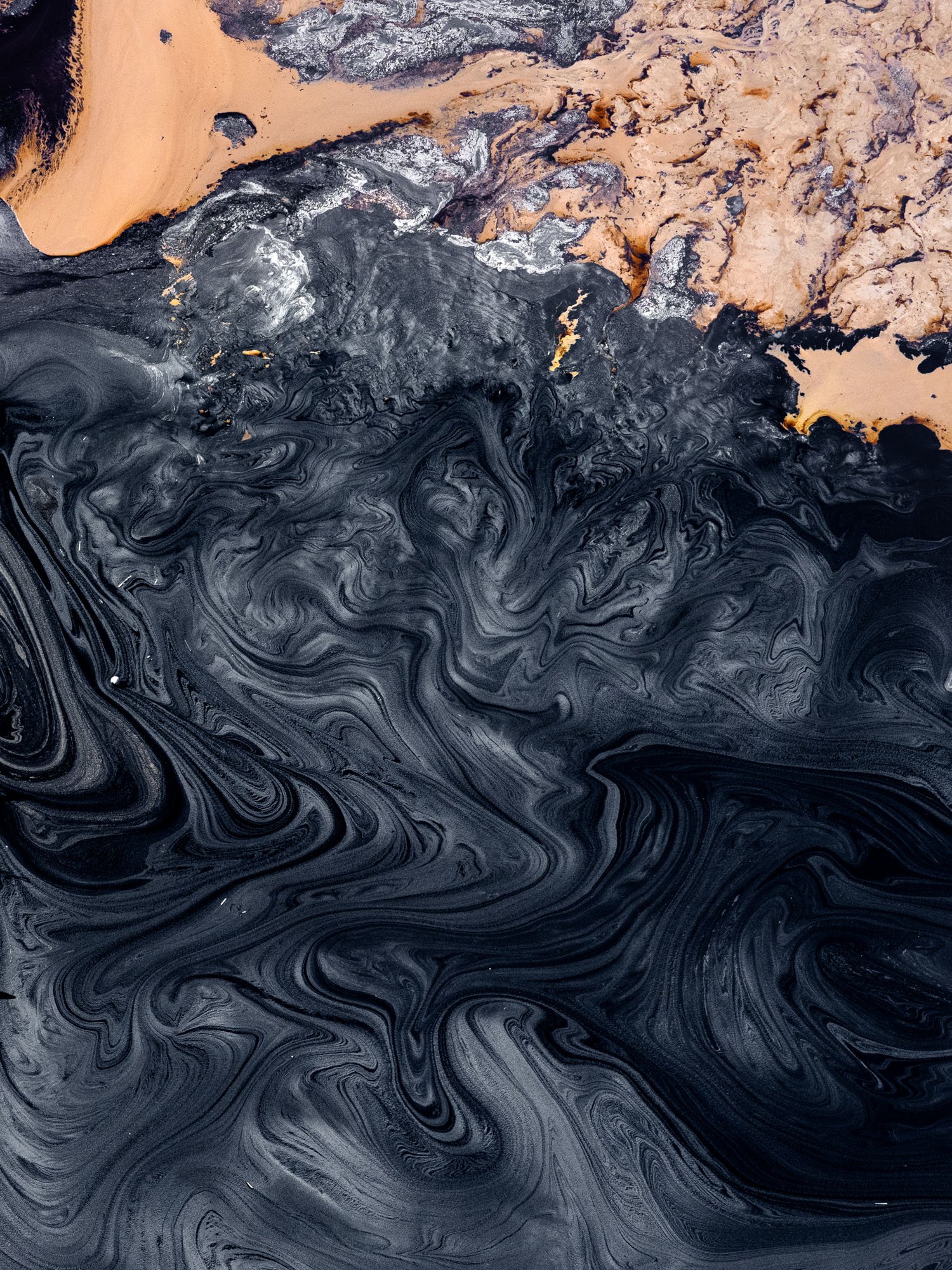
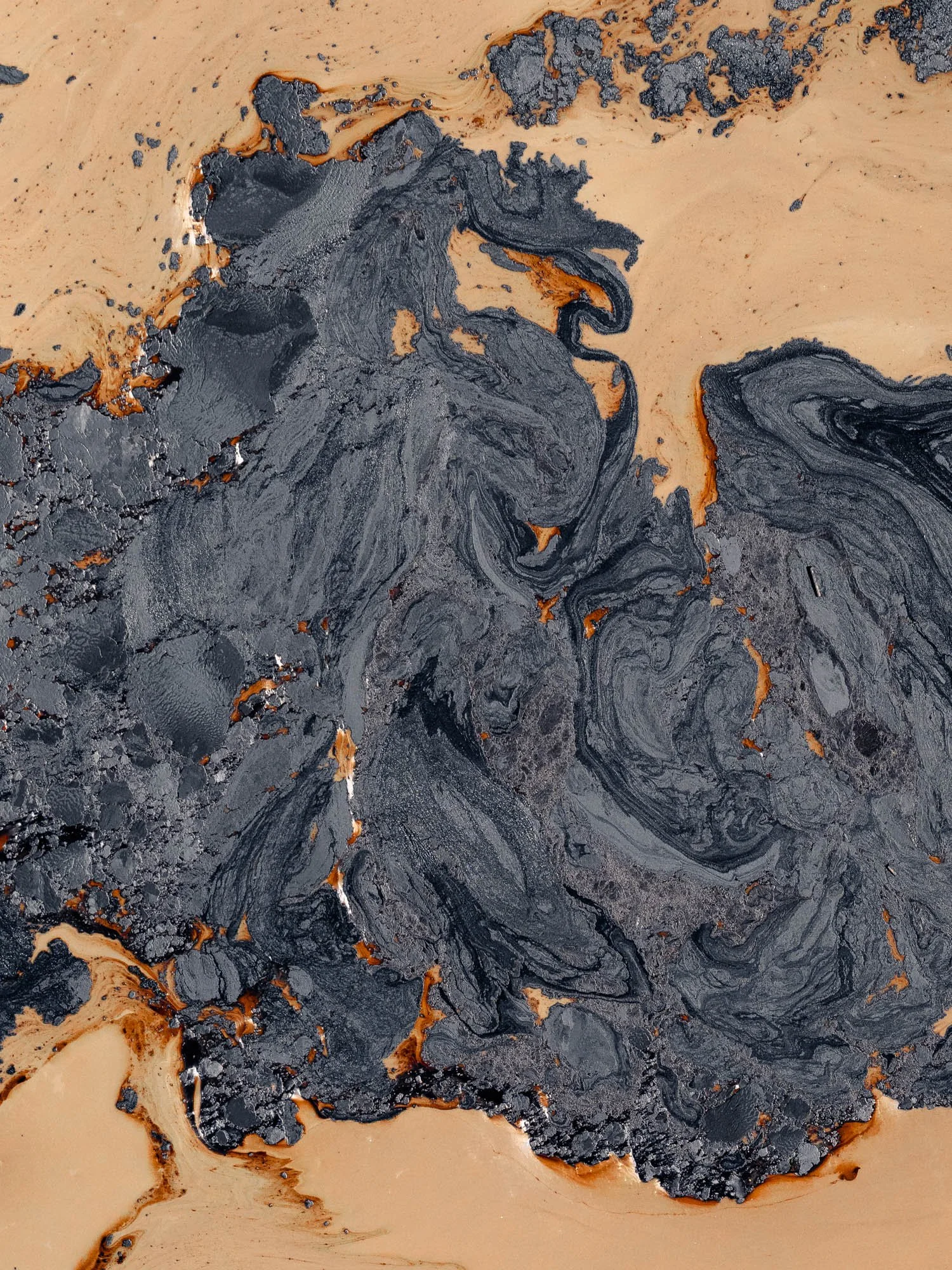
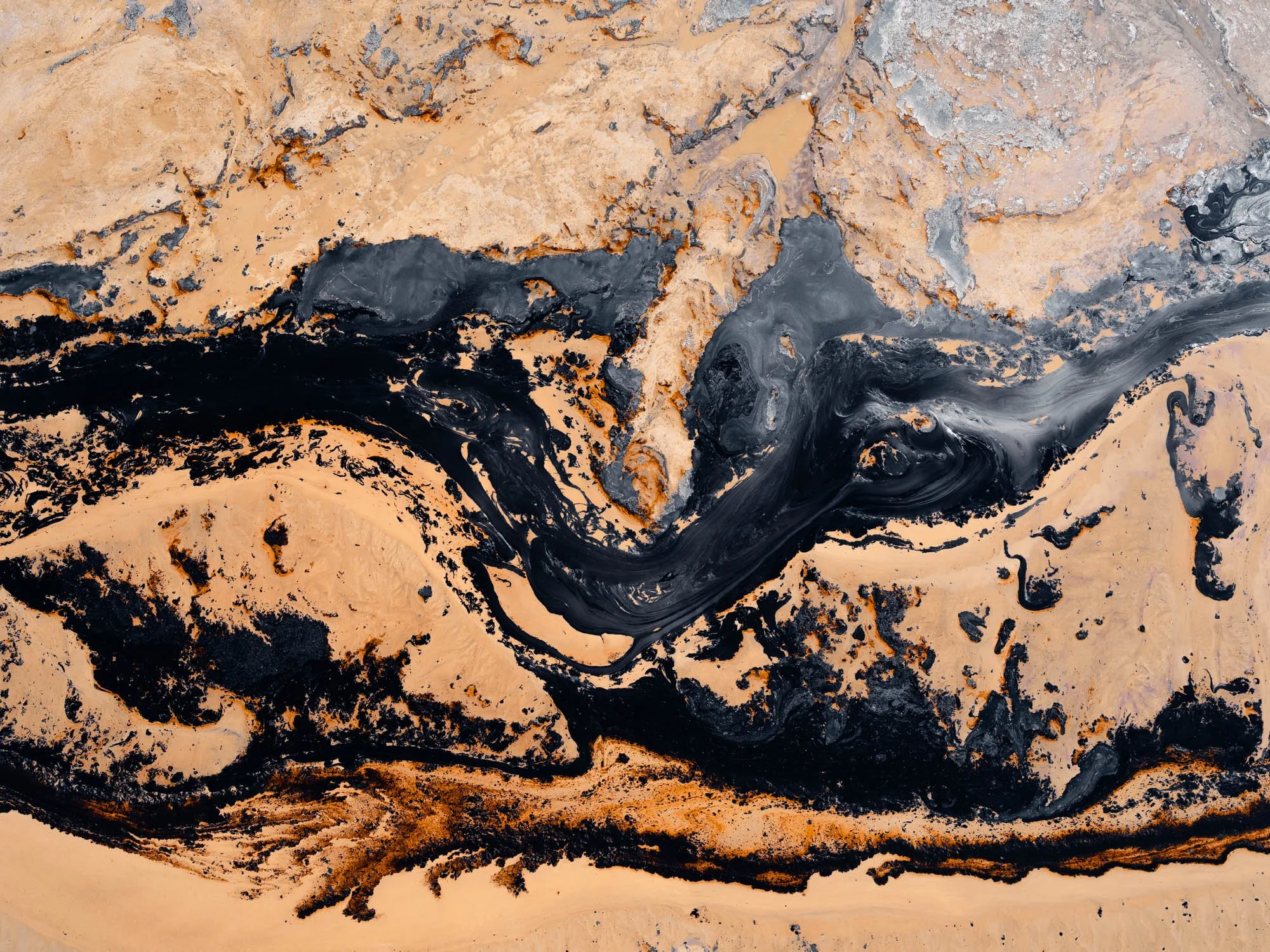
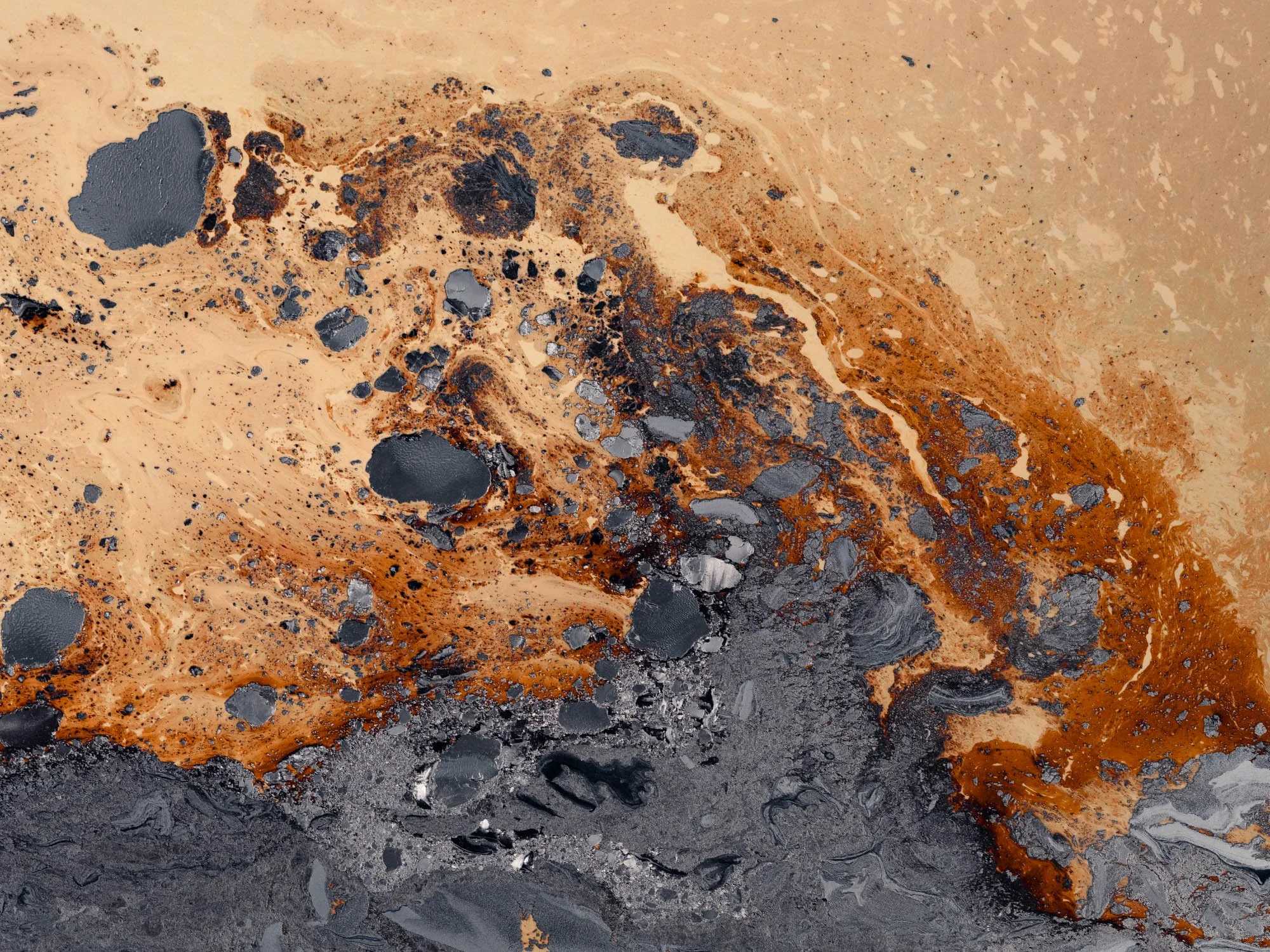
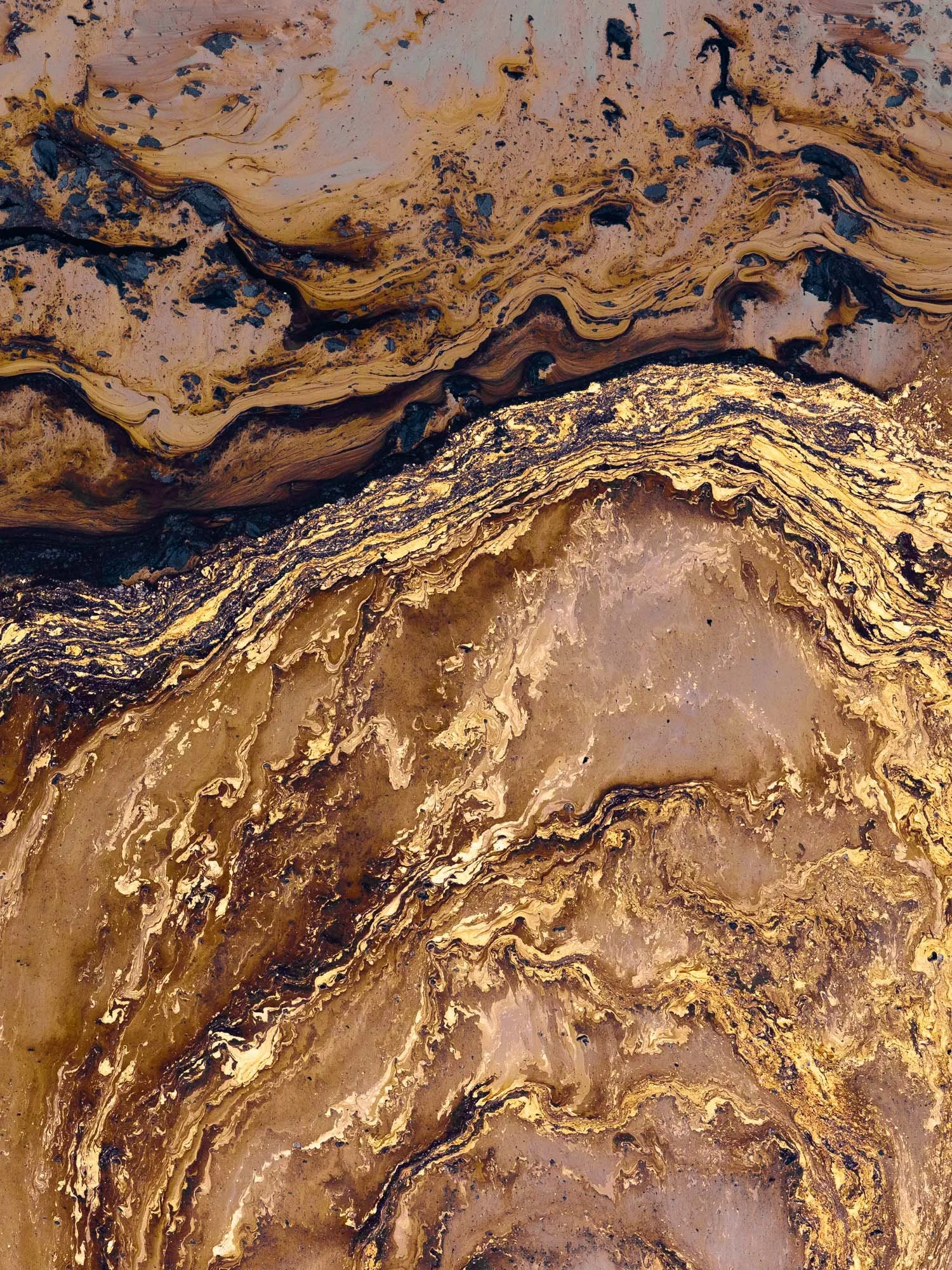
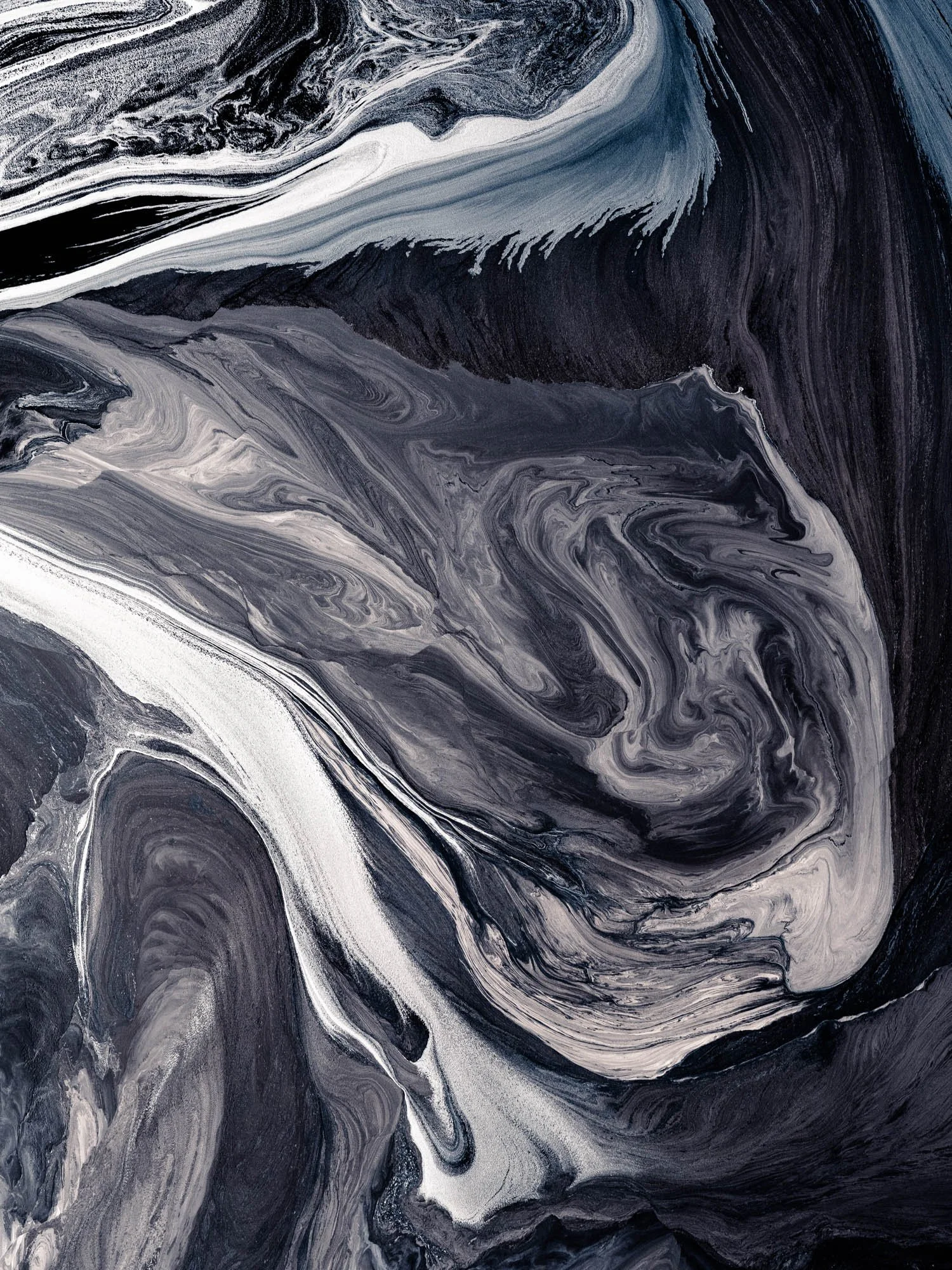
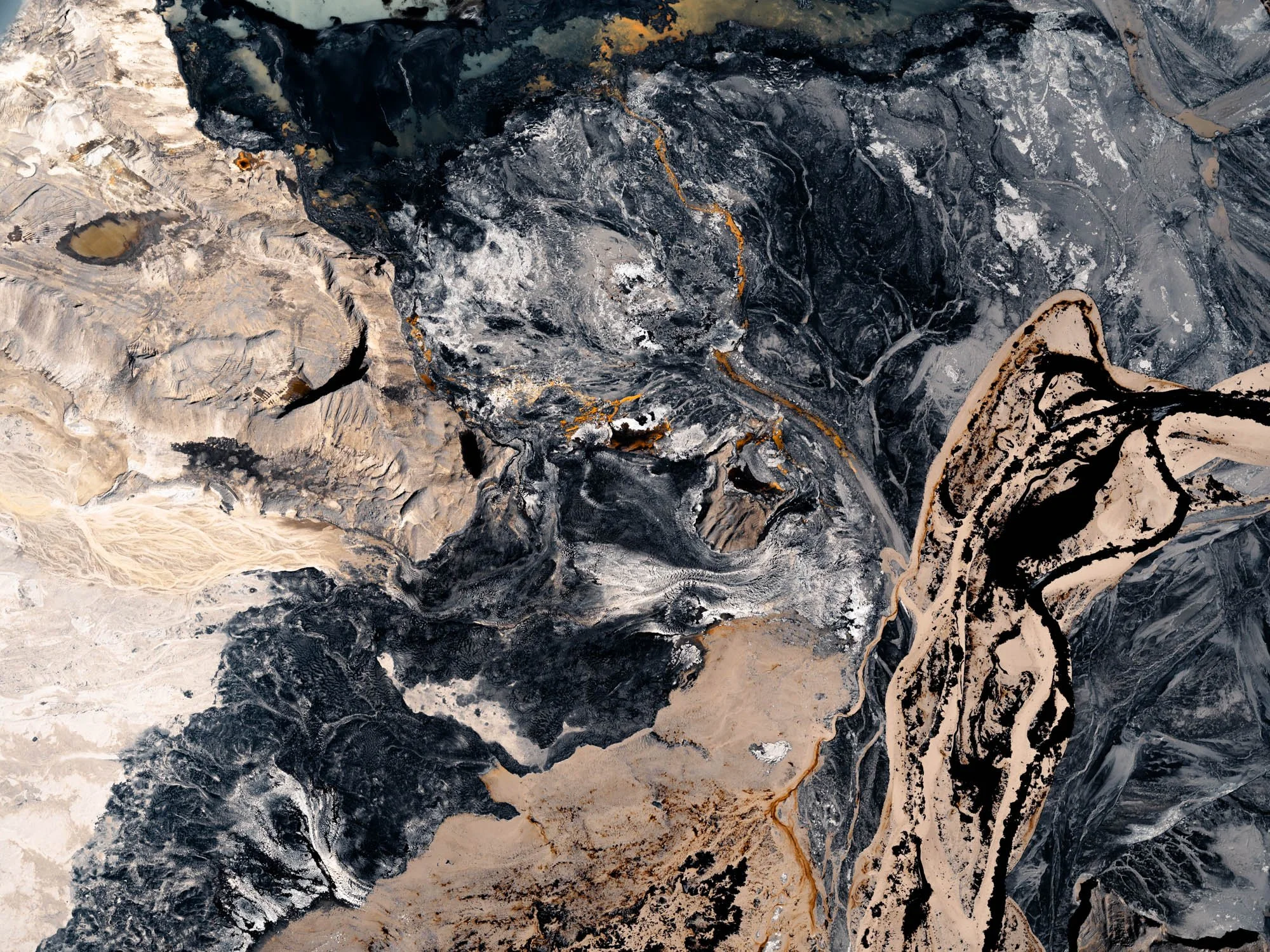
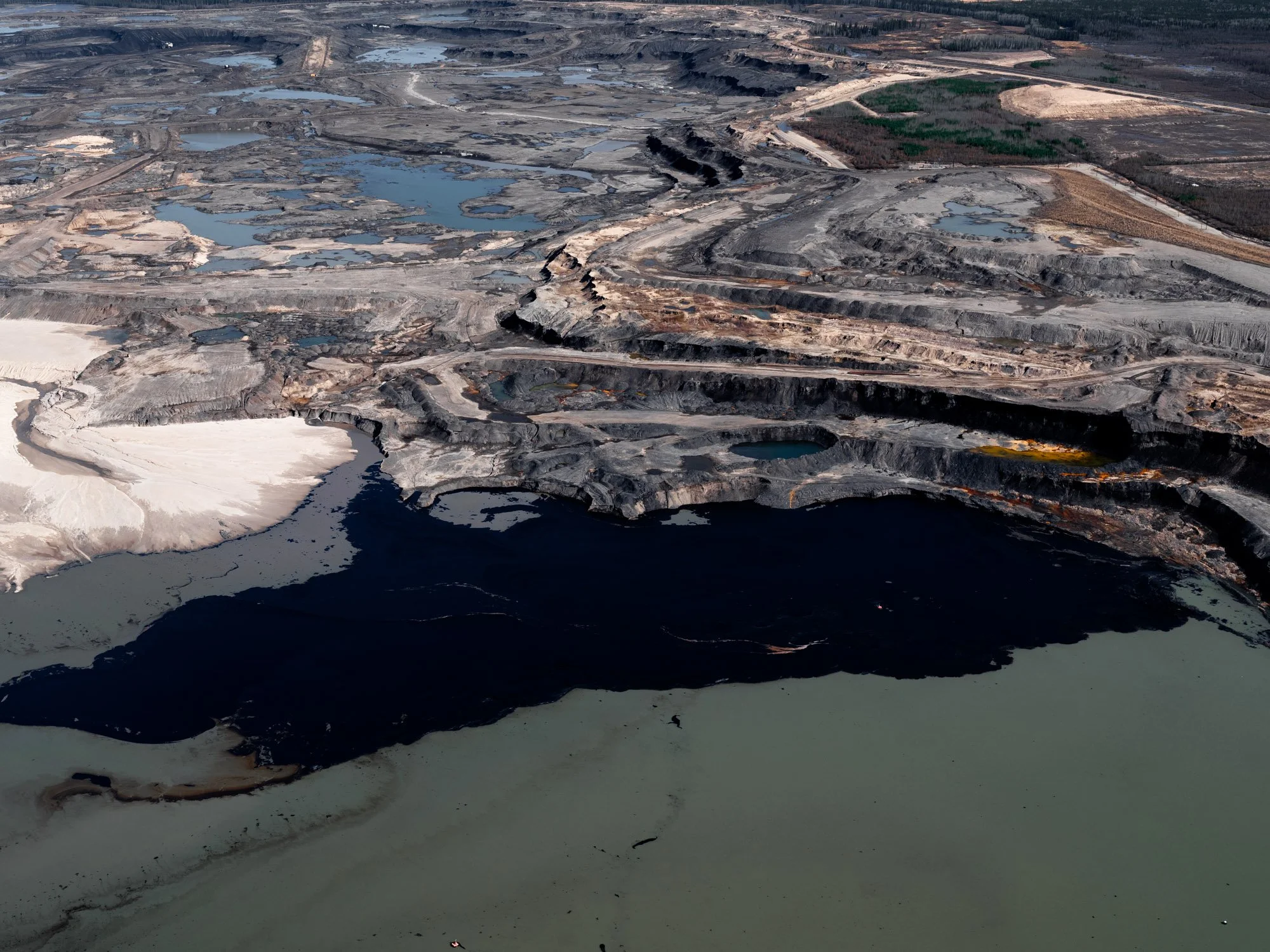
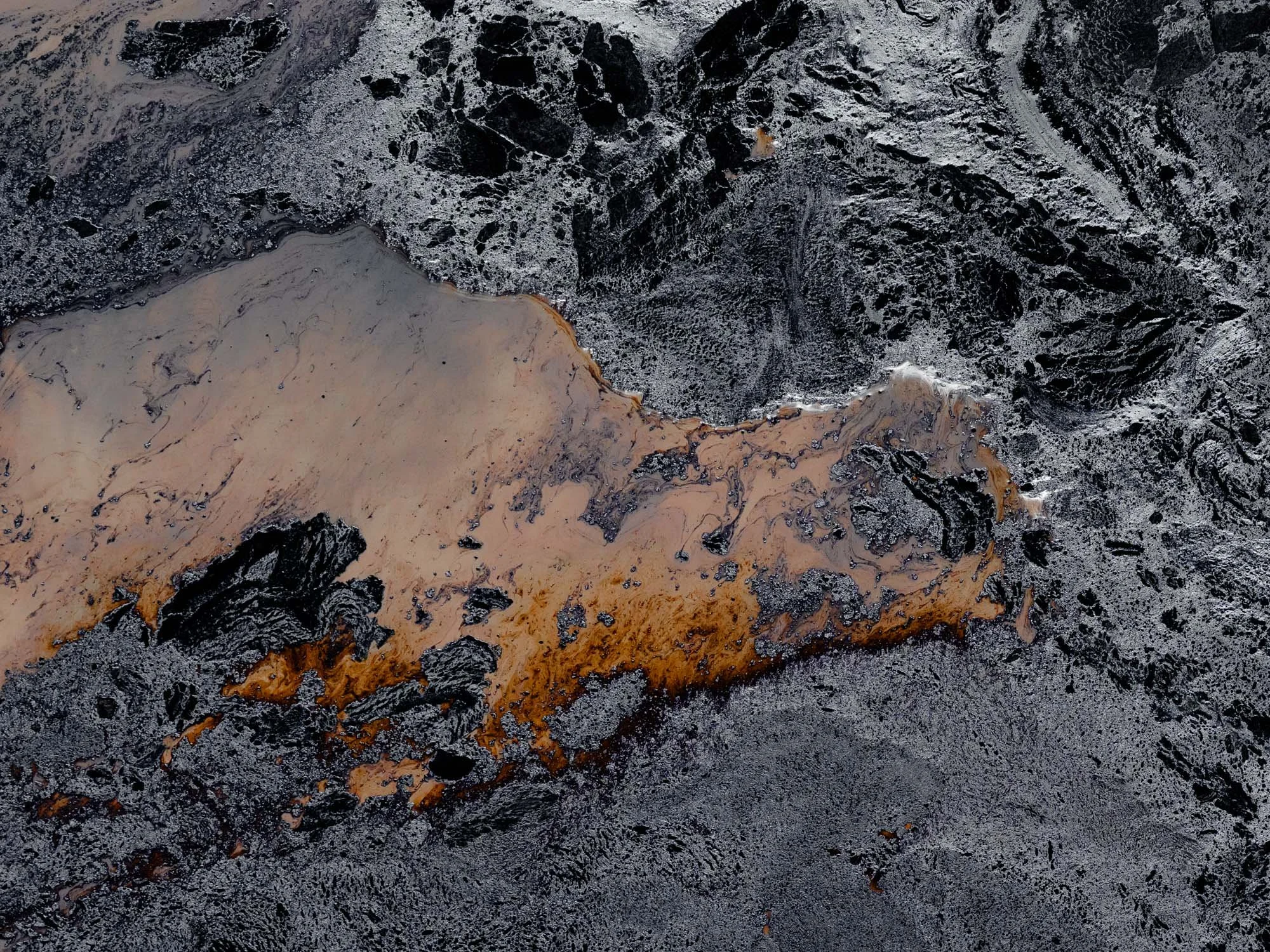
Where Oil Becomes Landscape explores how resource extraction transforms the land into an industrial terrain. Through images of scale, structure, and altered surfaces, the project examines the tension between human intervention and the natural world.
-
Oil is part of our everyday lives. We depend on it, yet most of us never see where it comes from or how its extraction transforms the landscape.
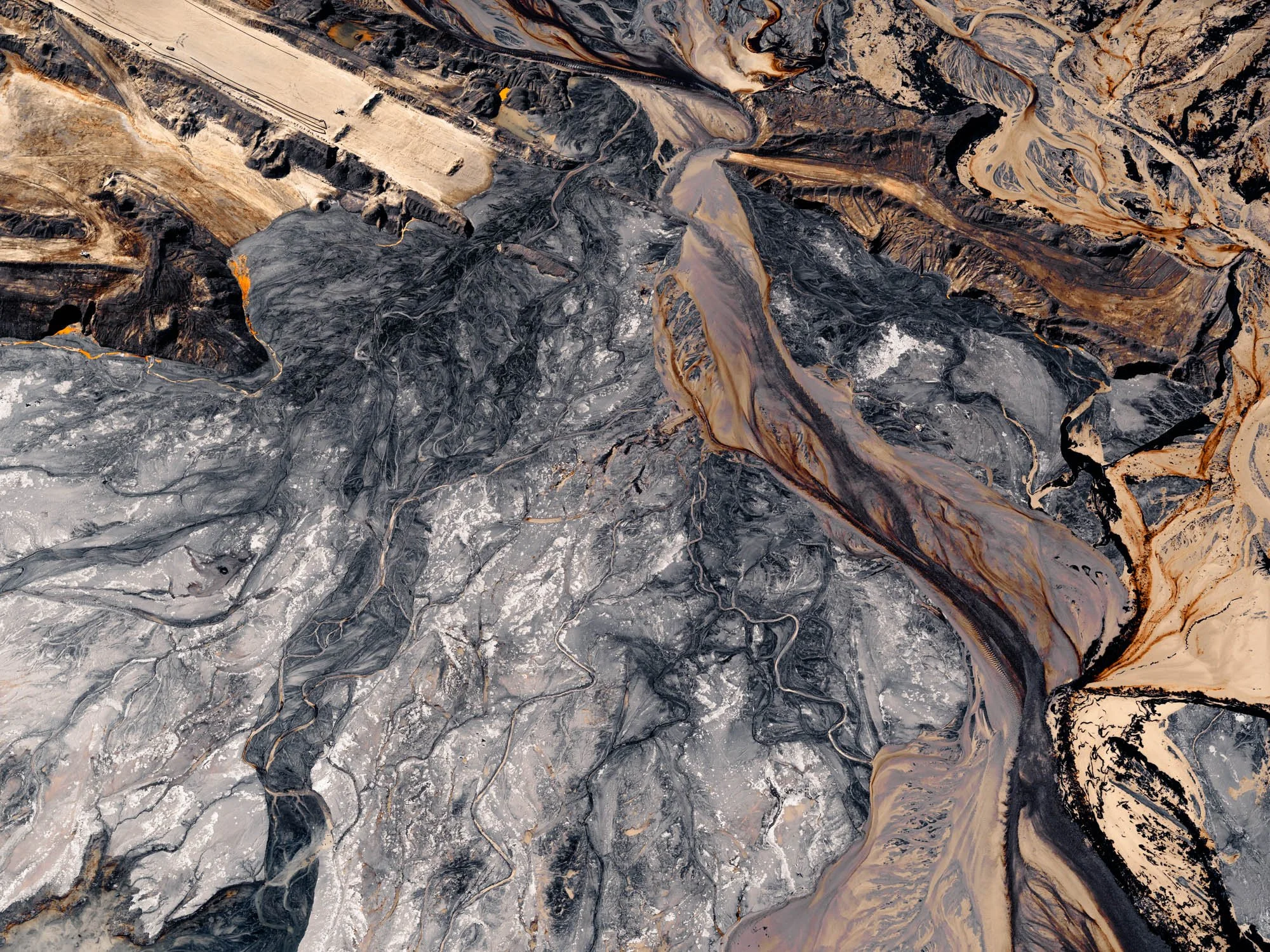
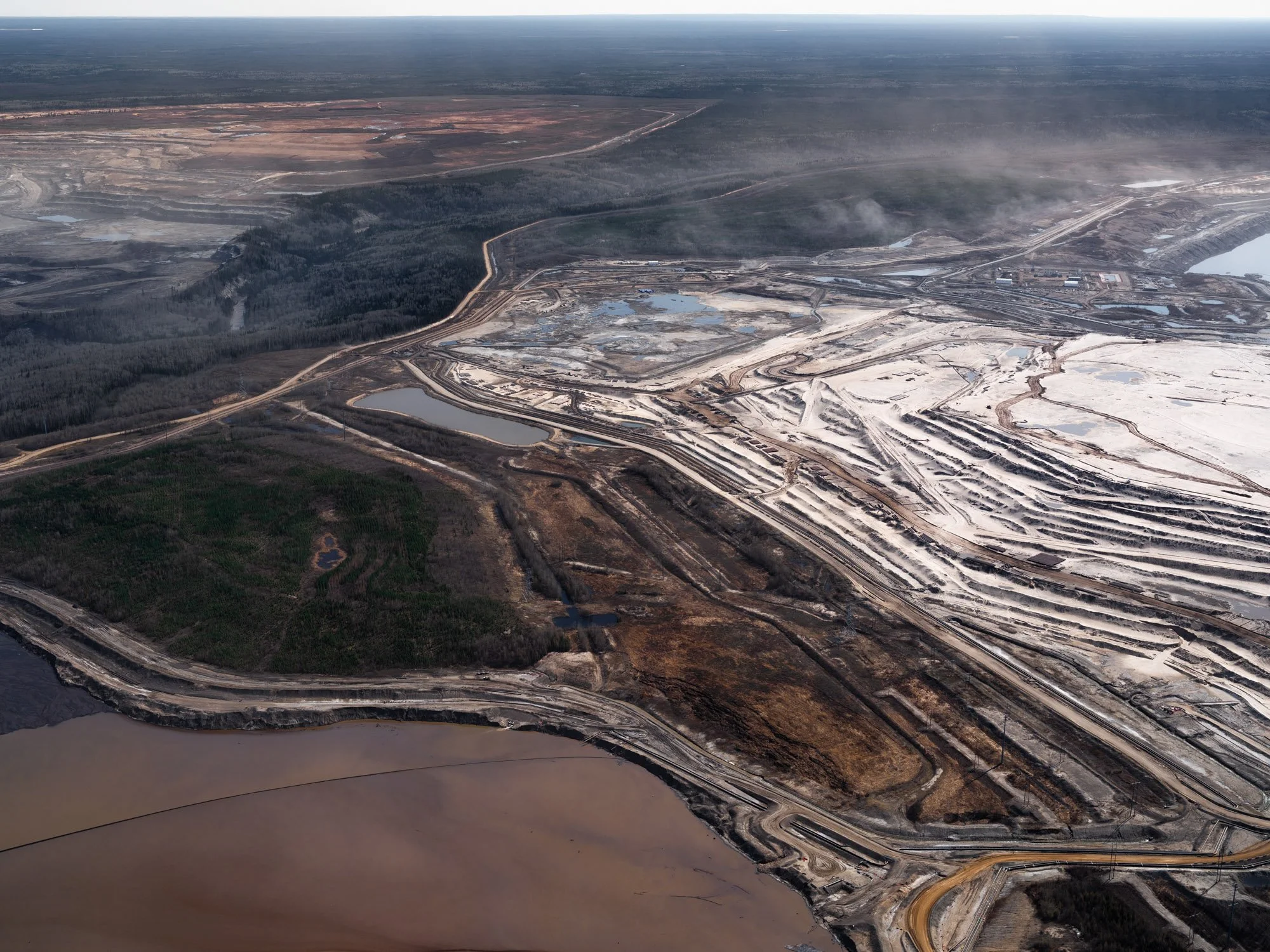
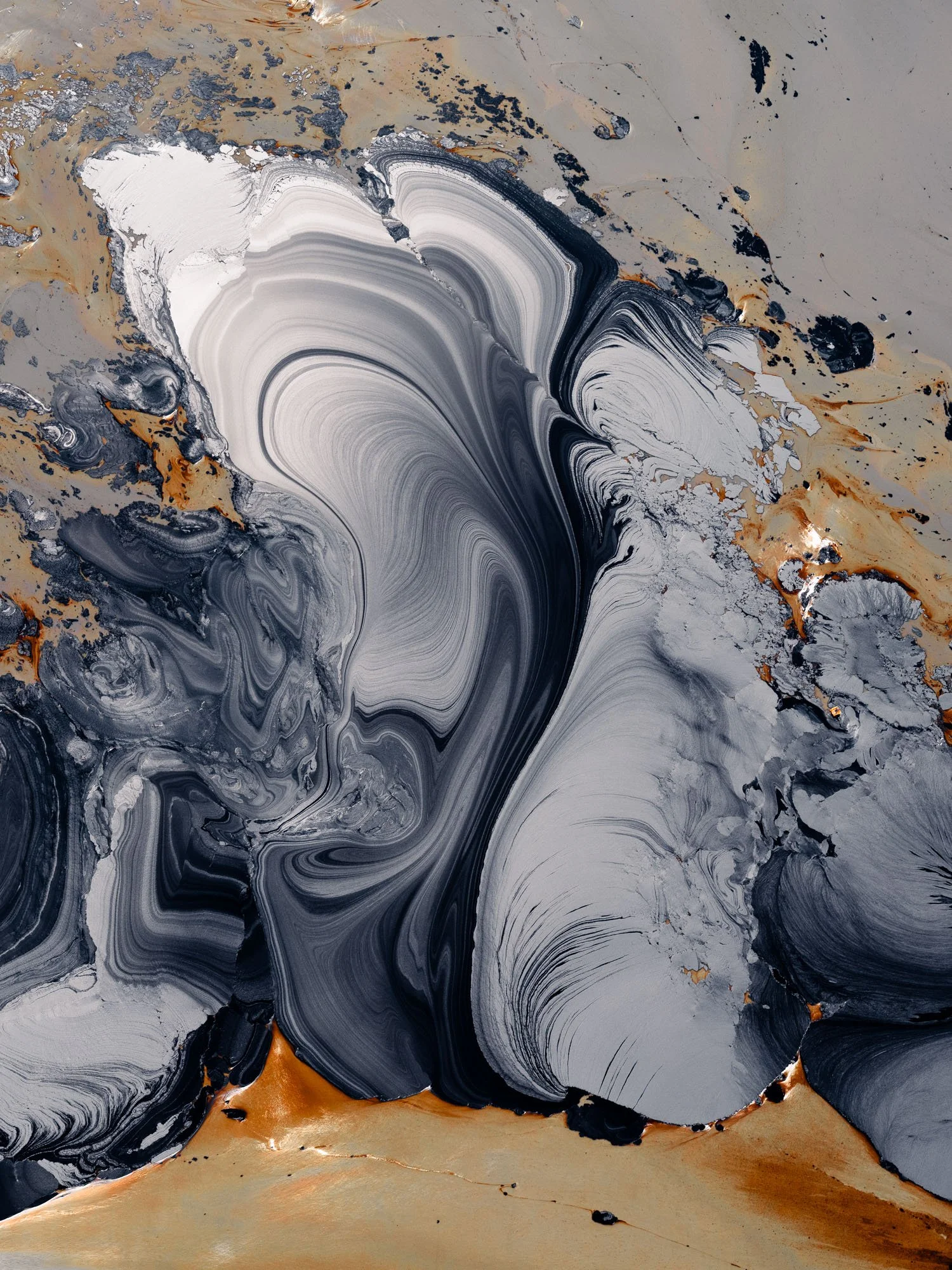
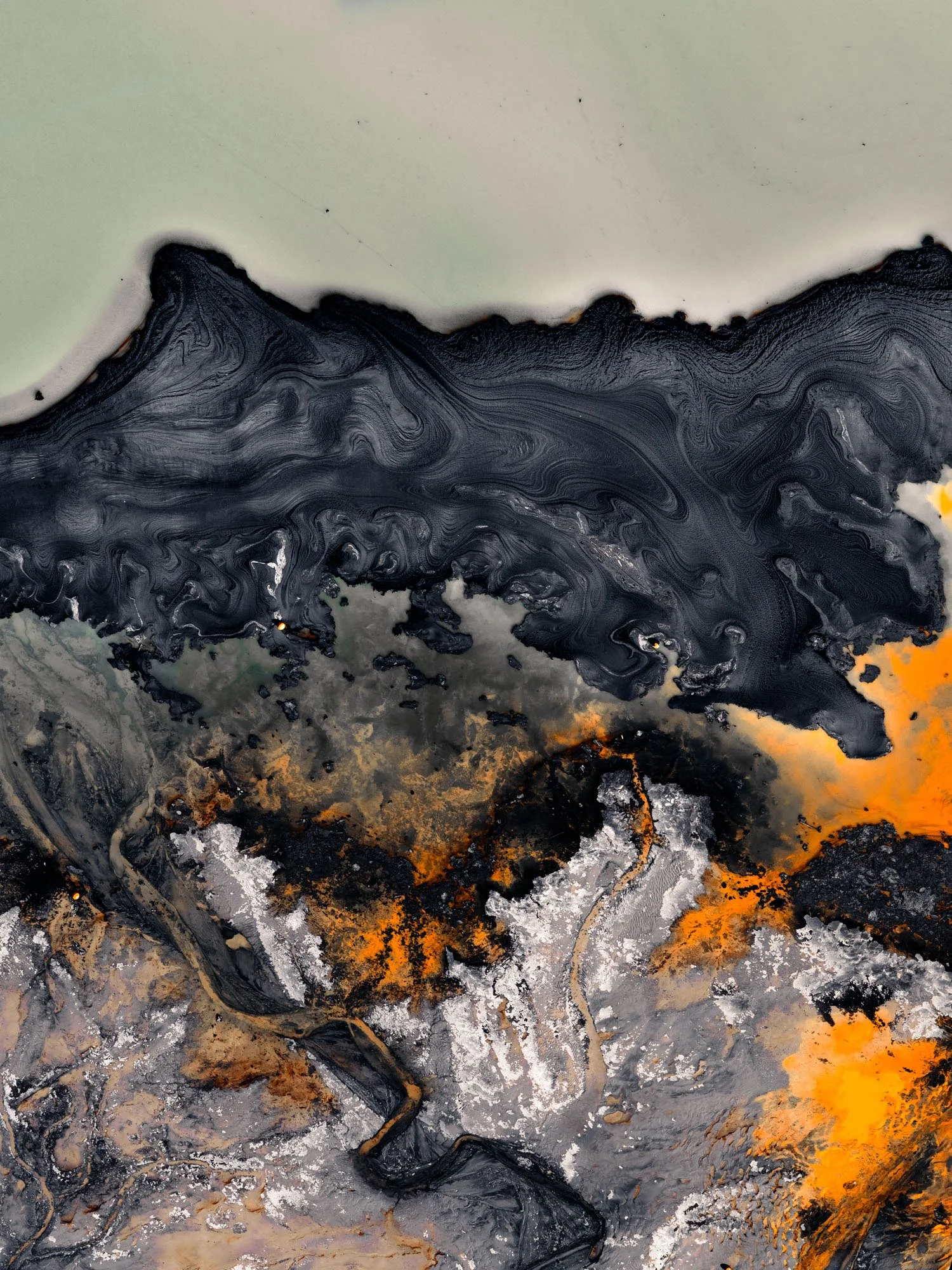
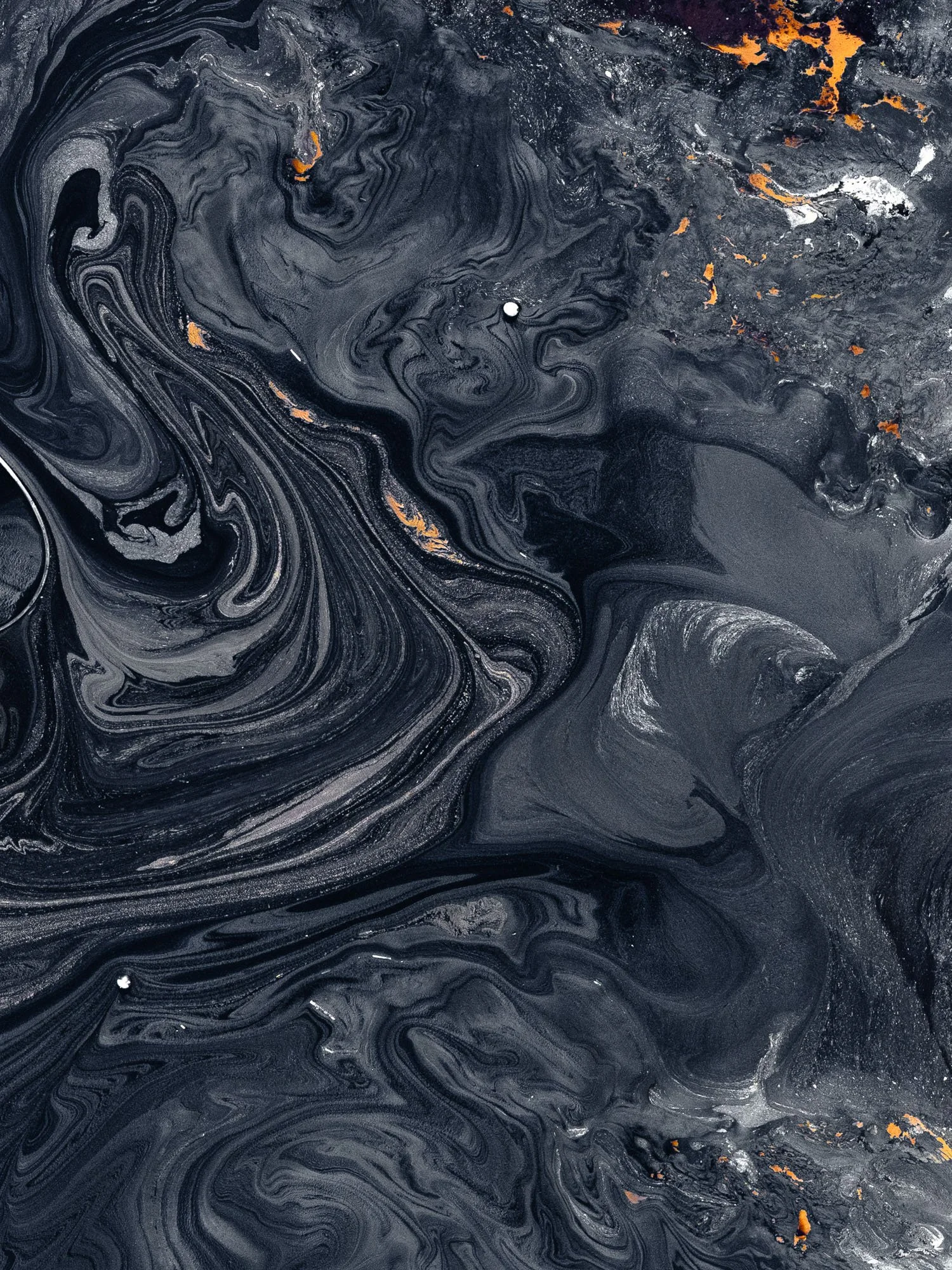
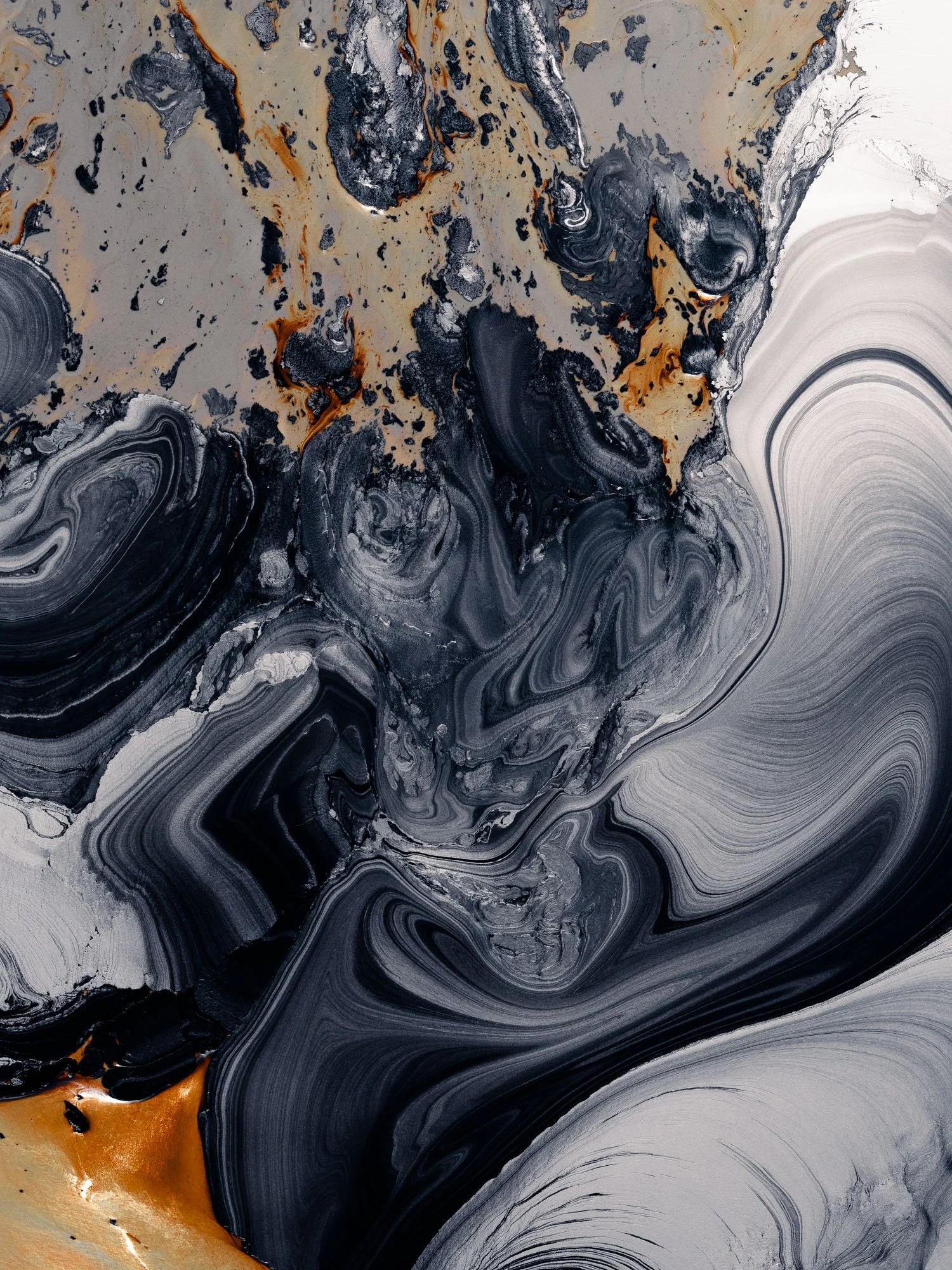
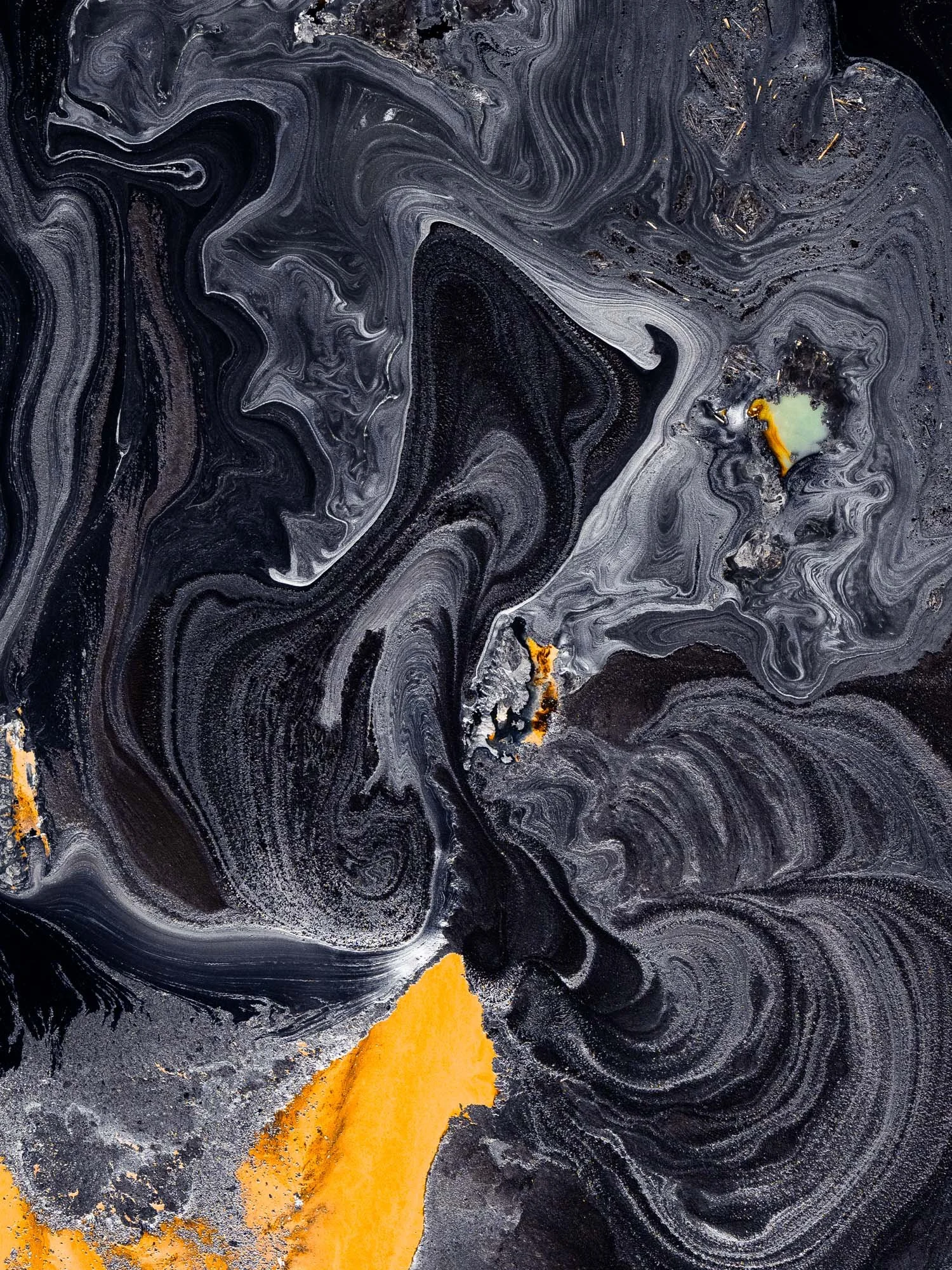
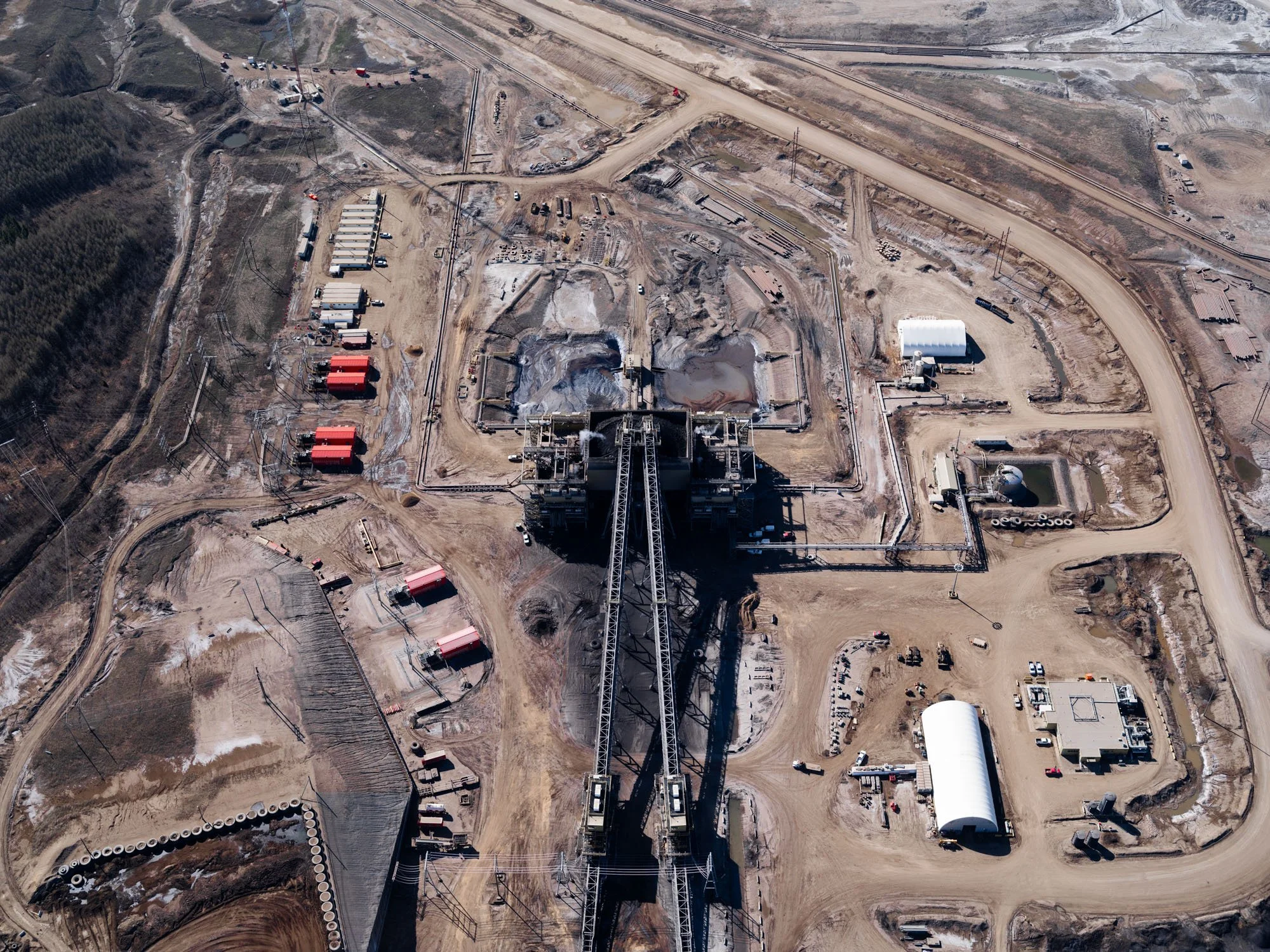
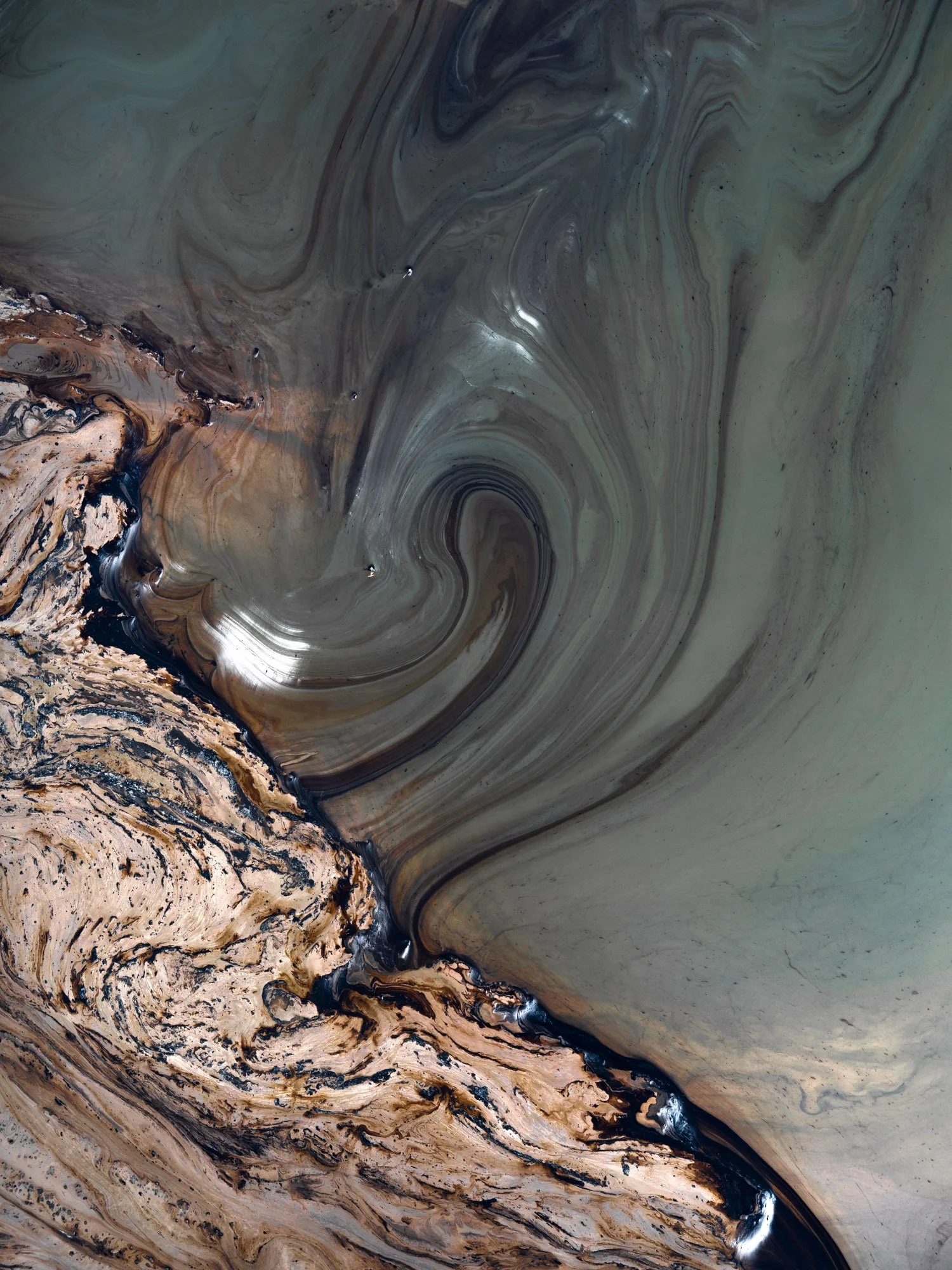
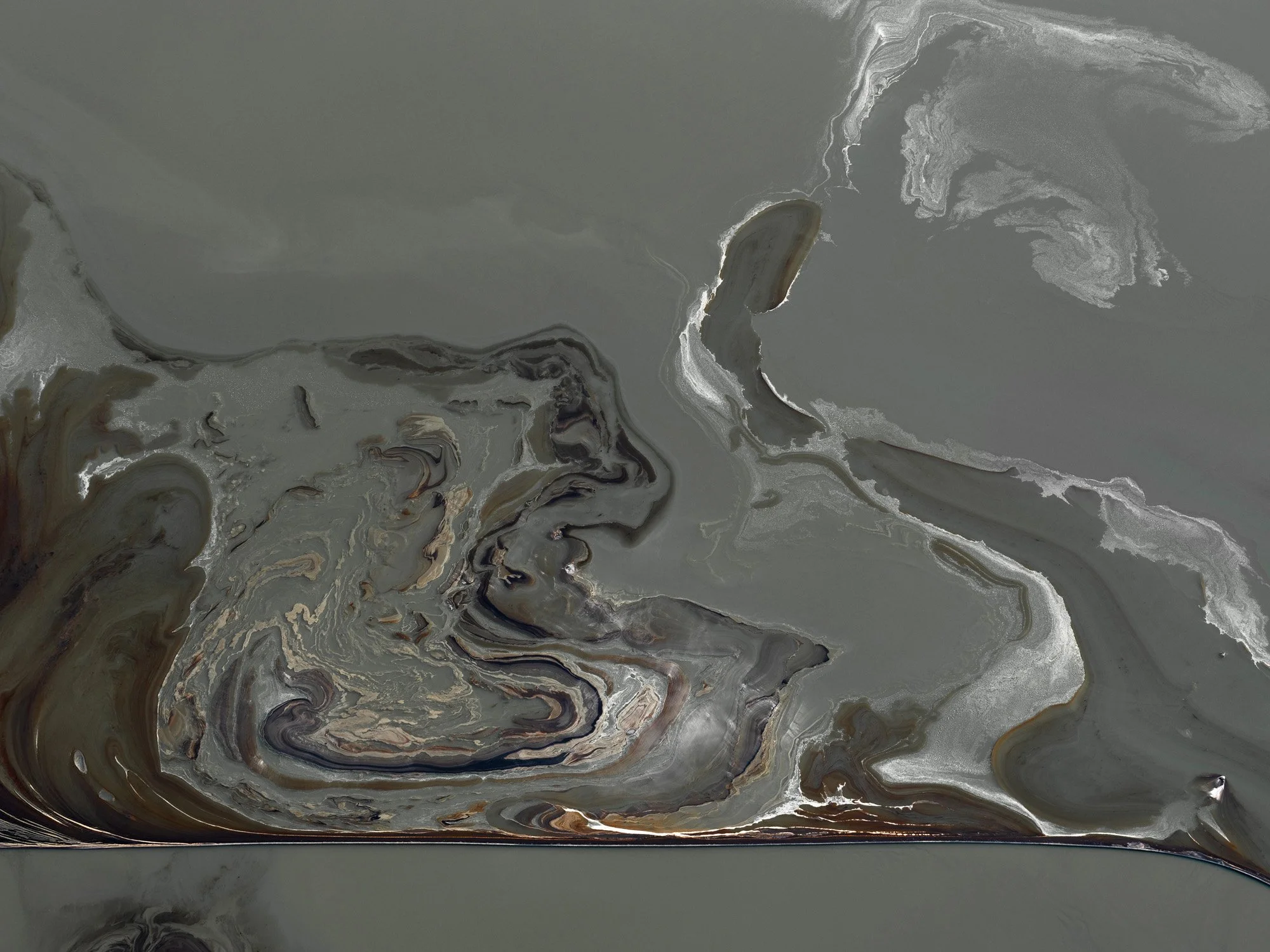
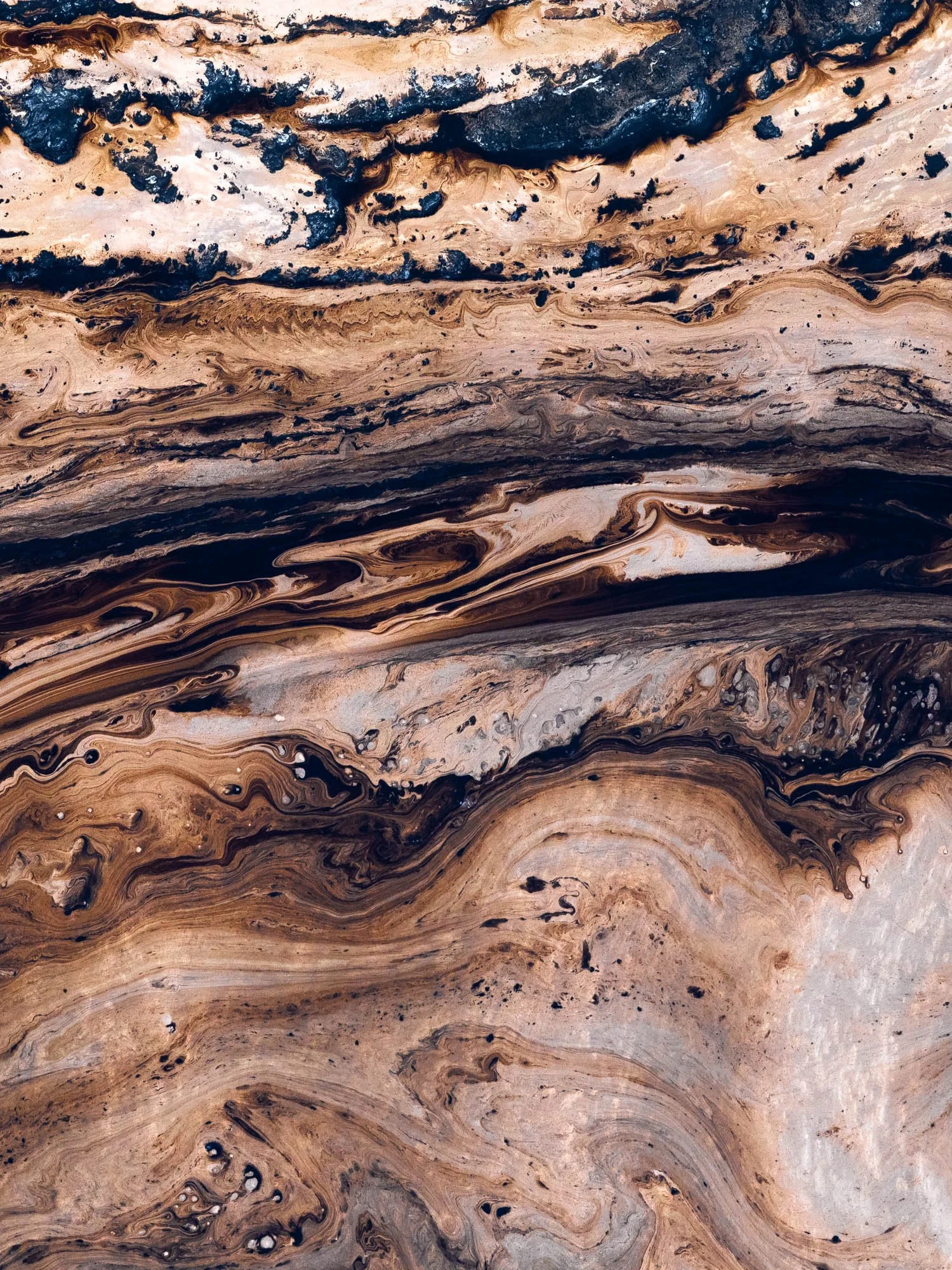
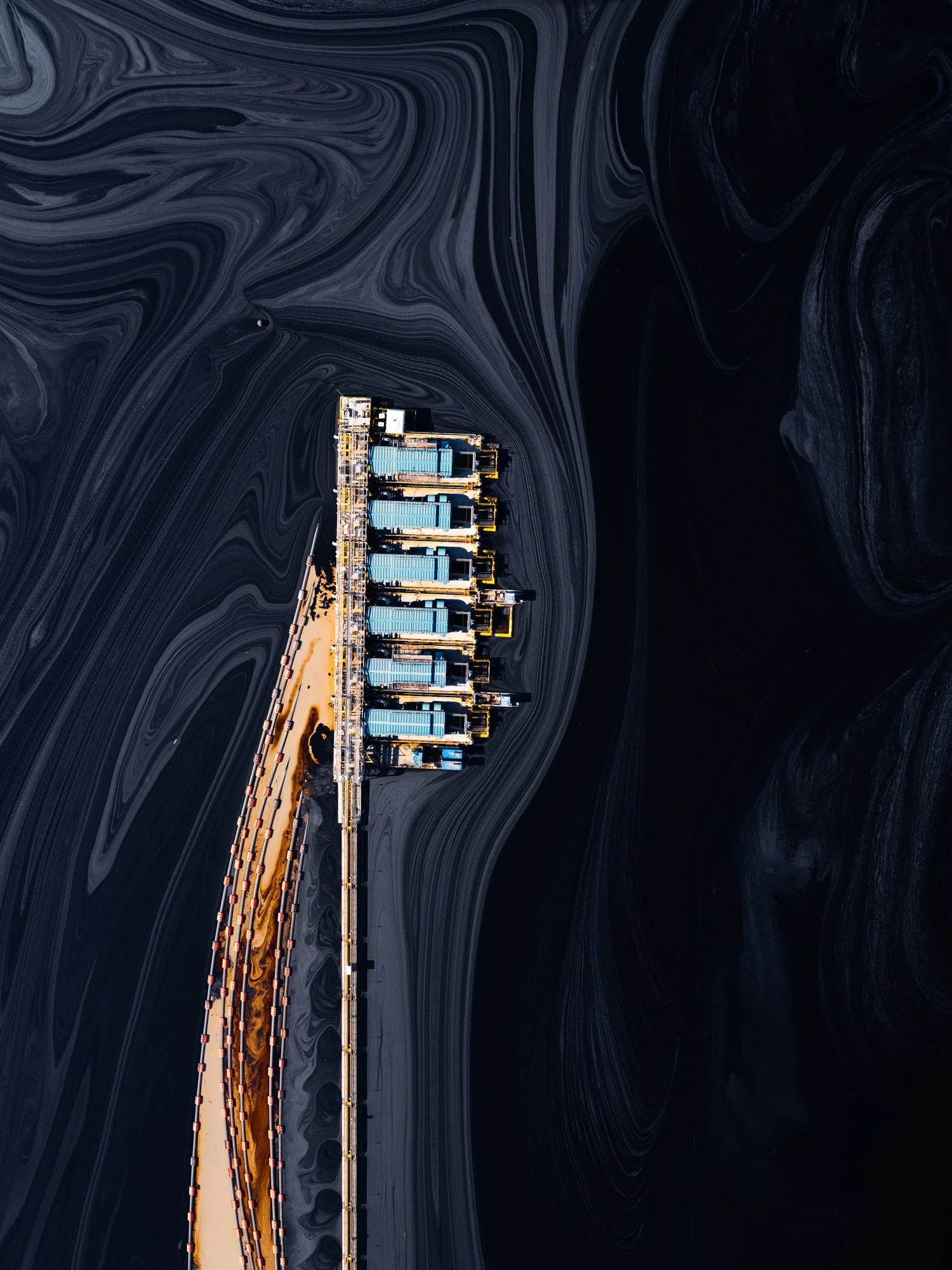
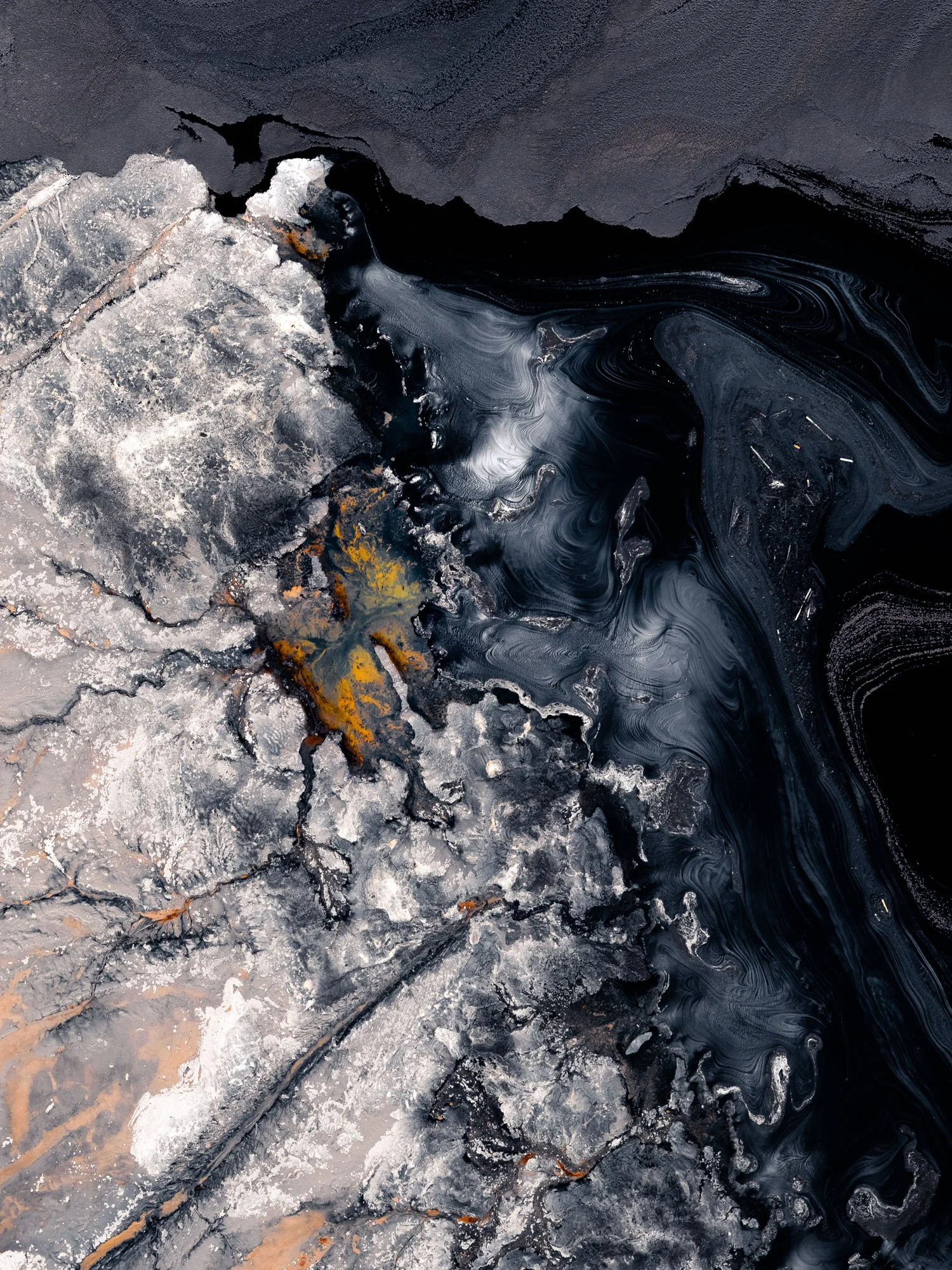
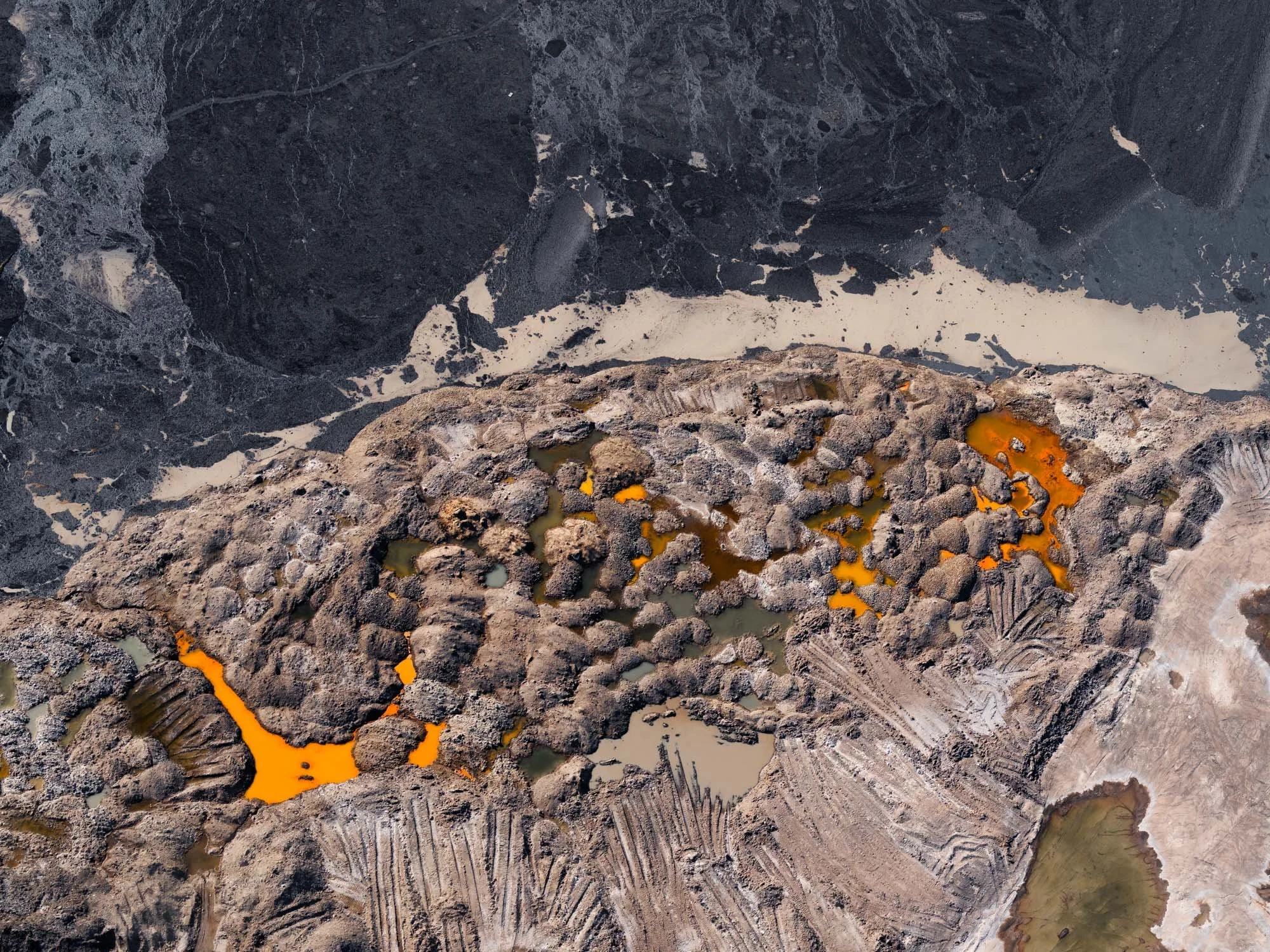
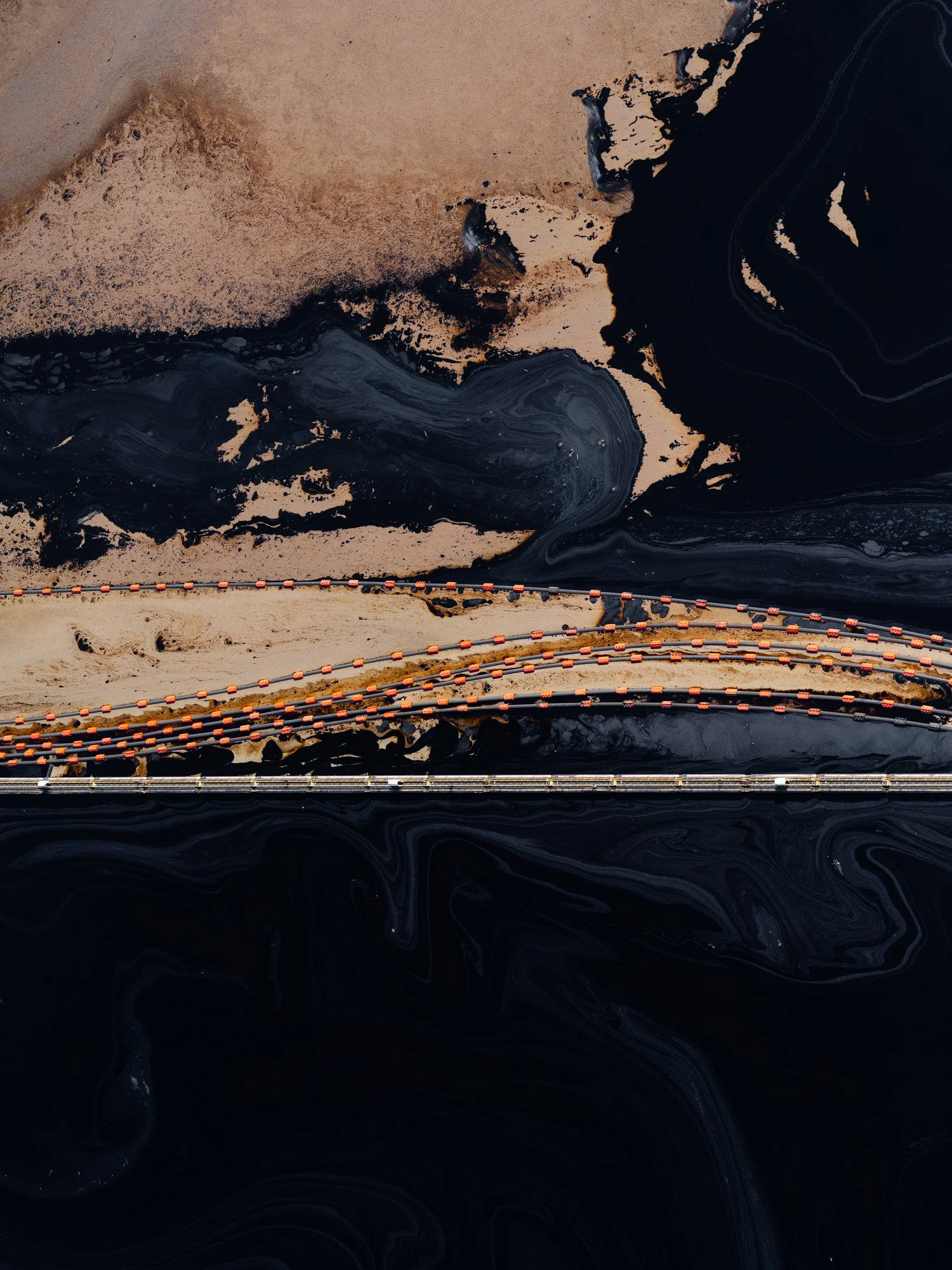
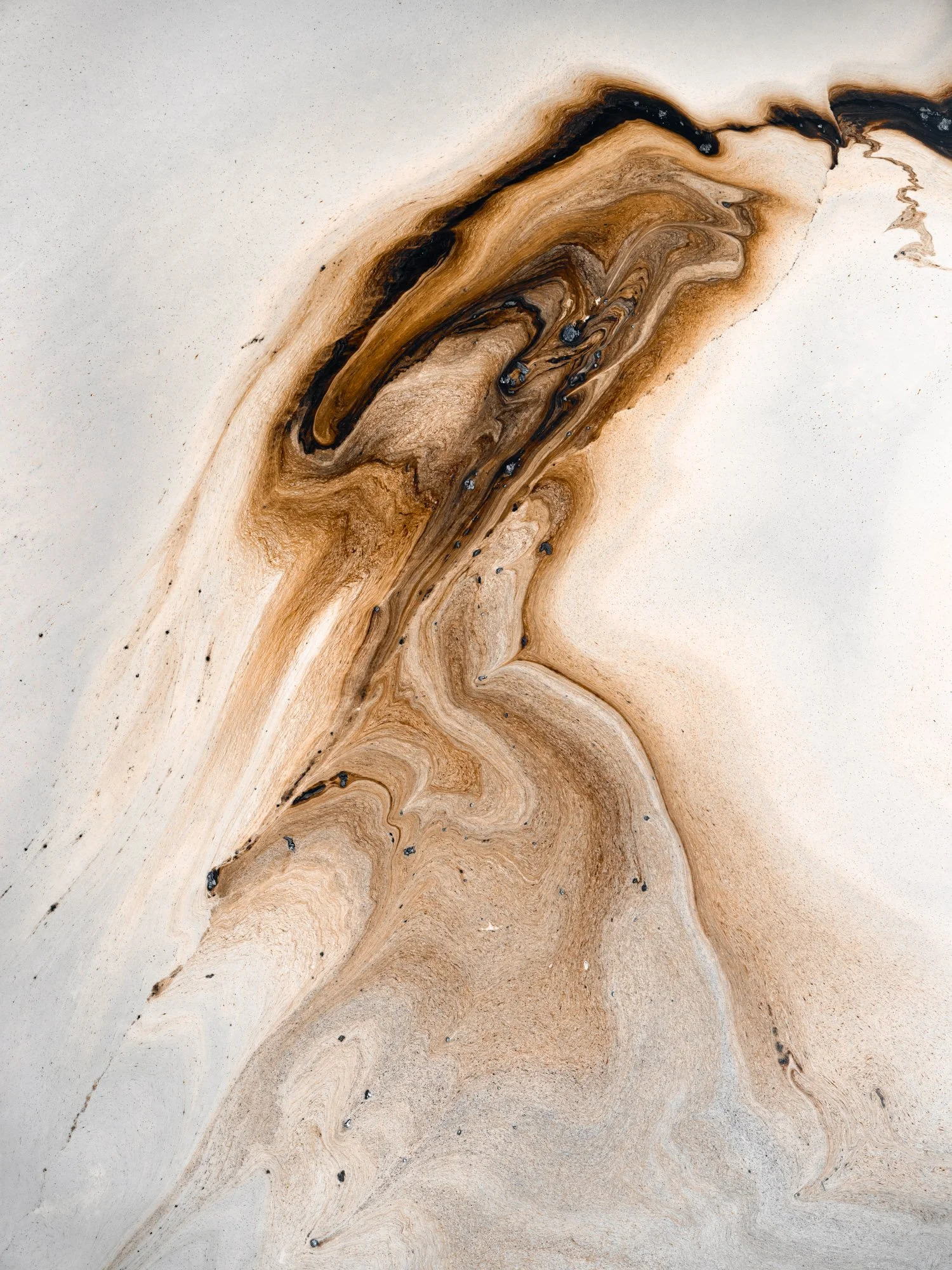
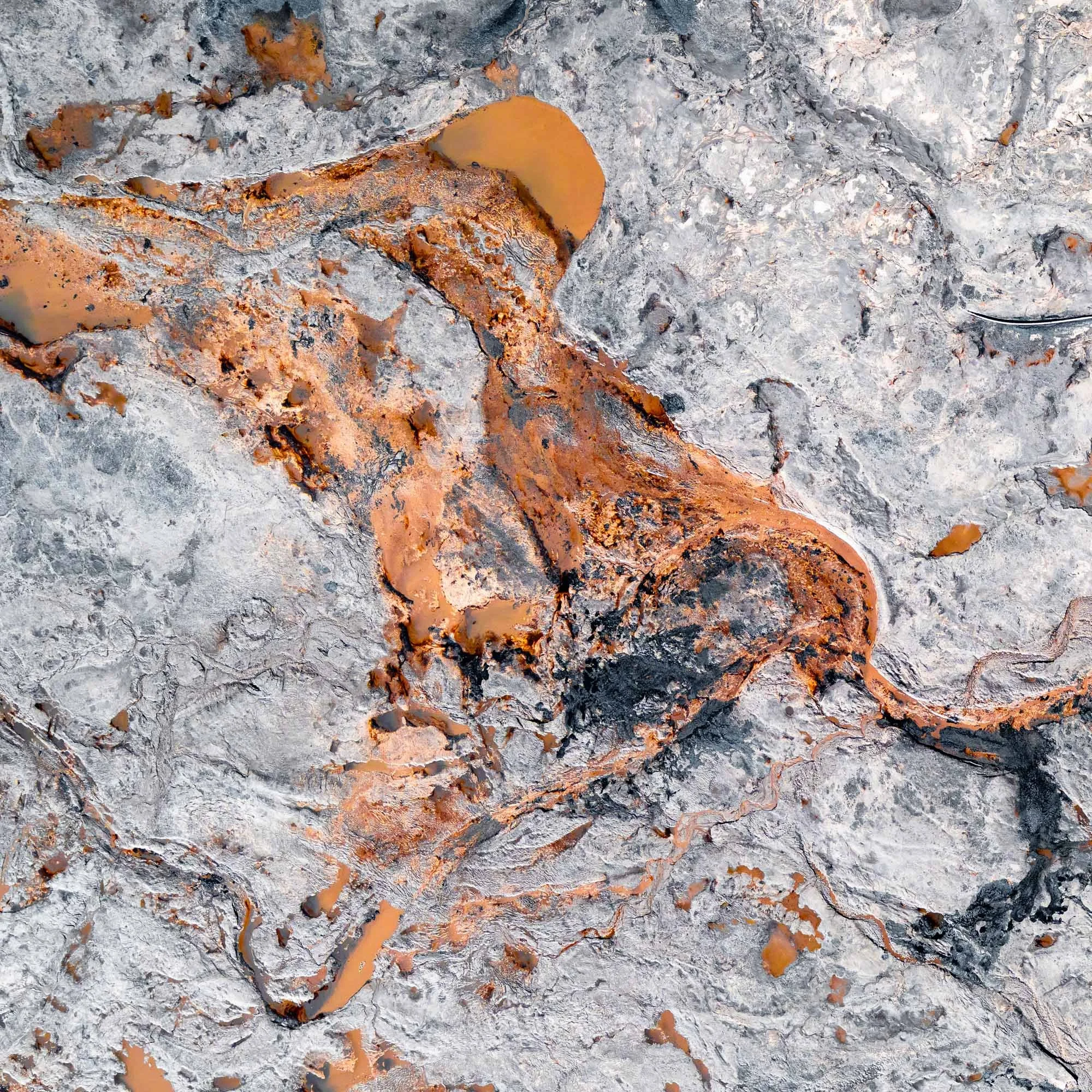
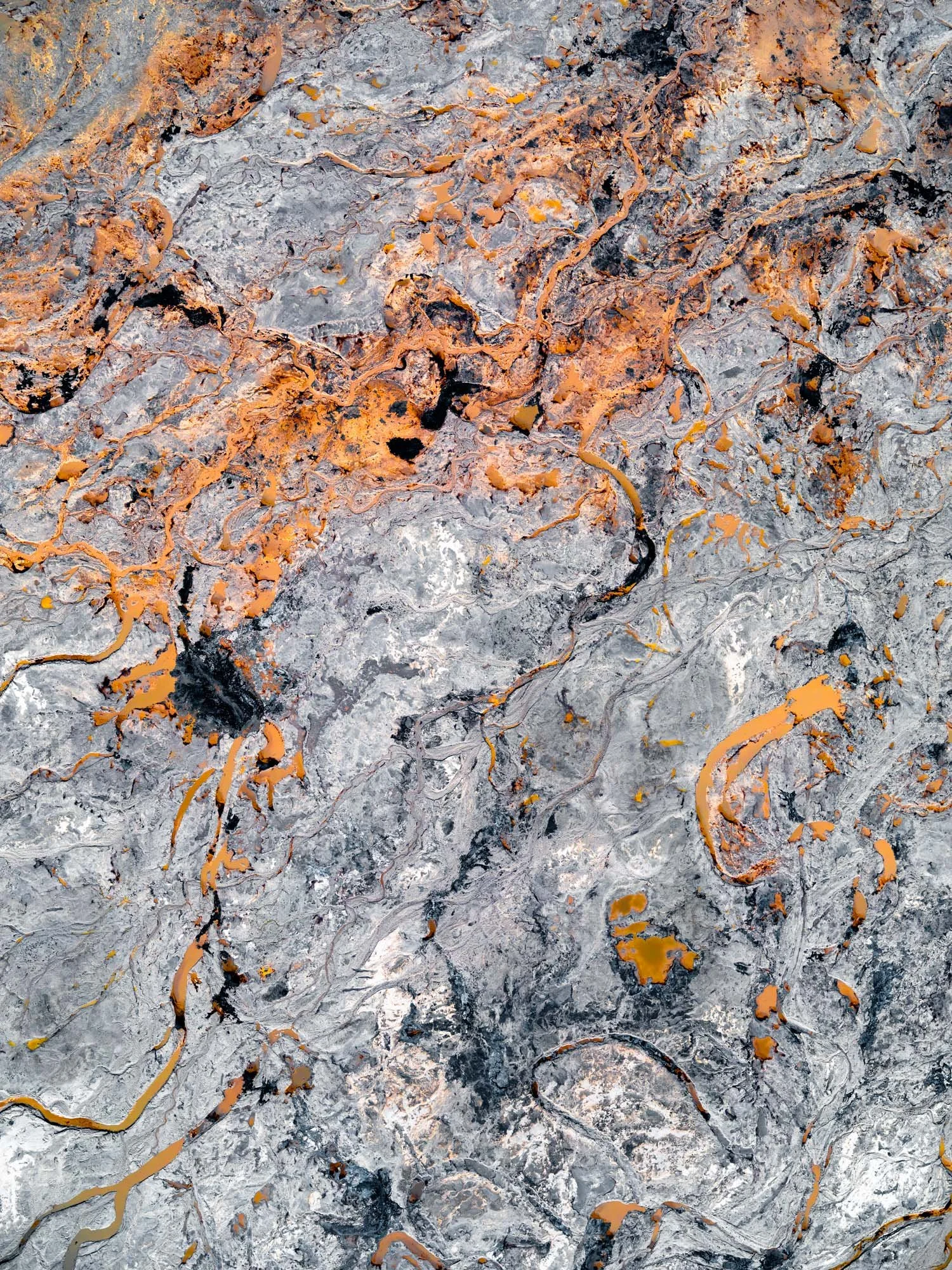
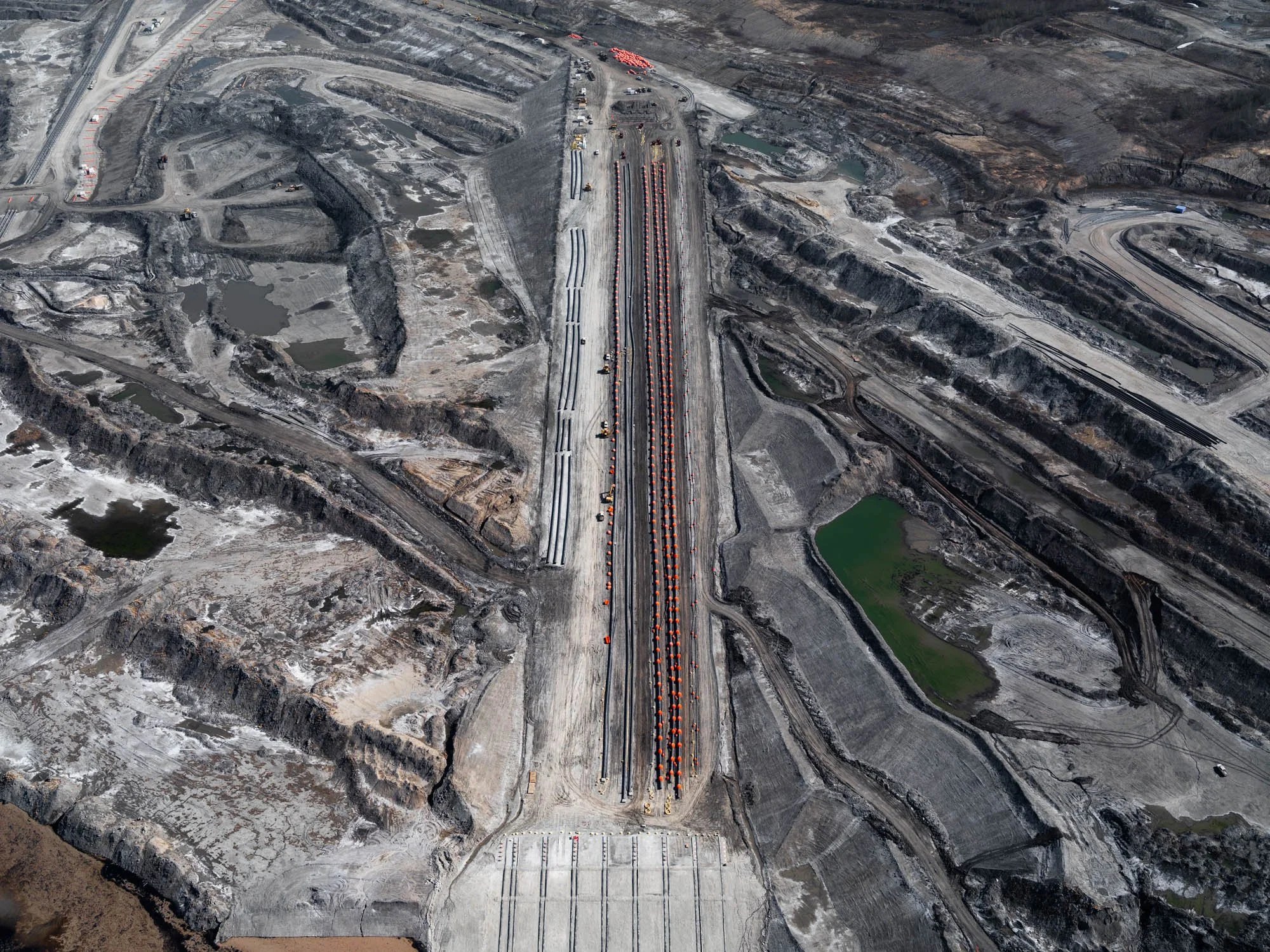
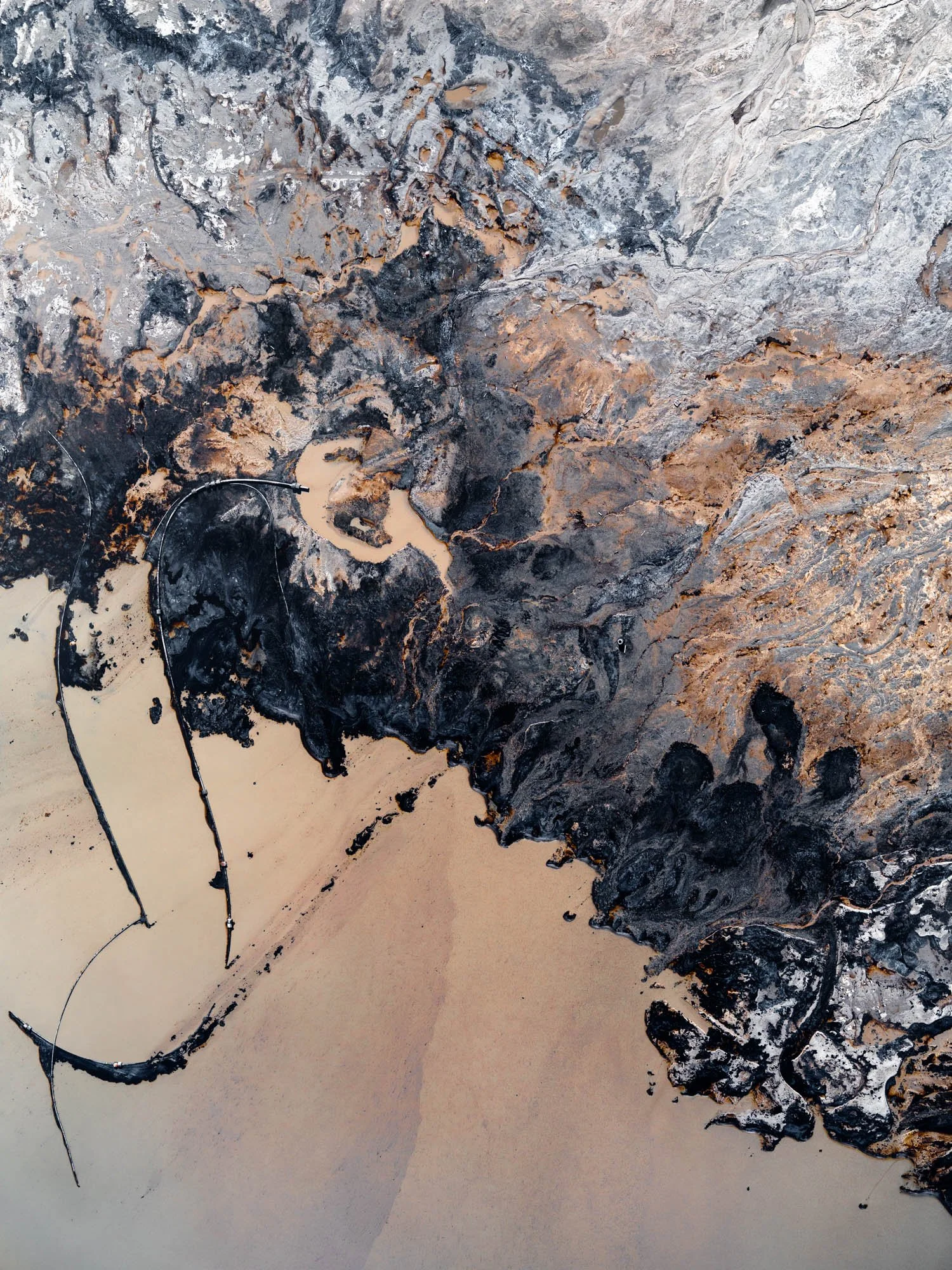
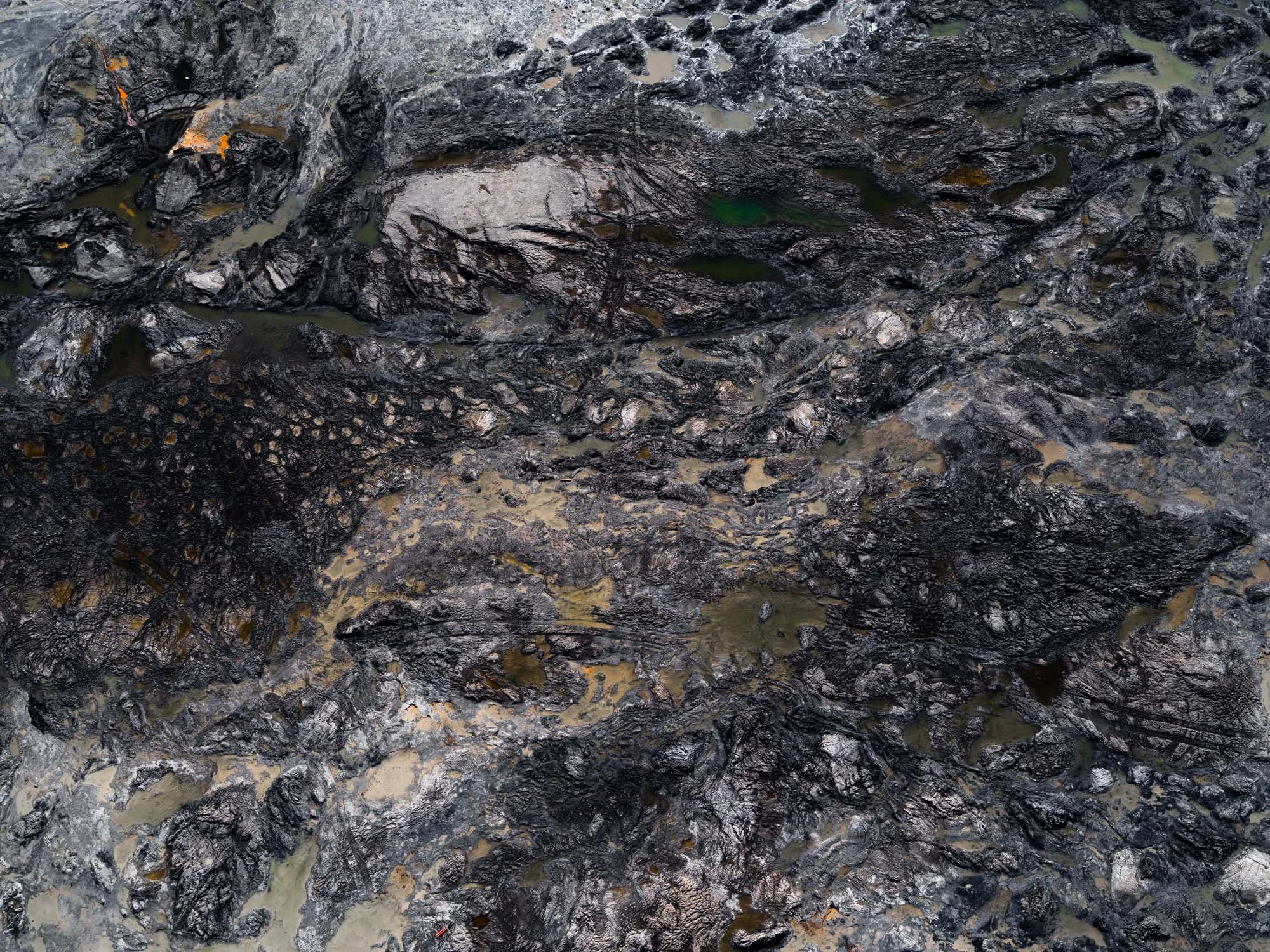
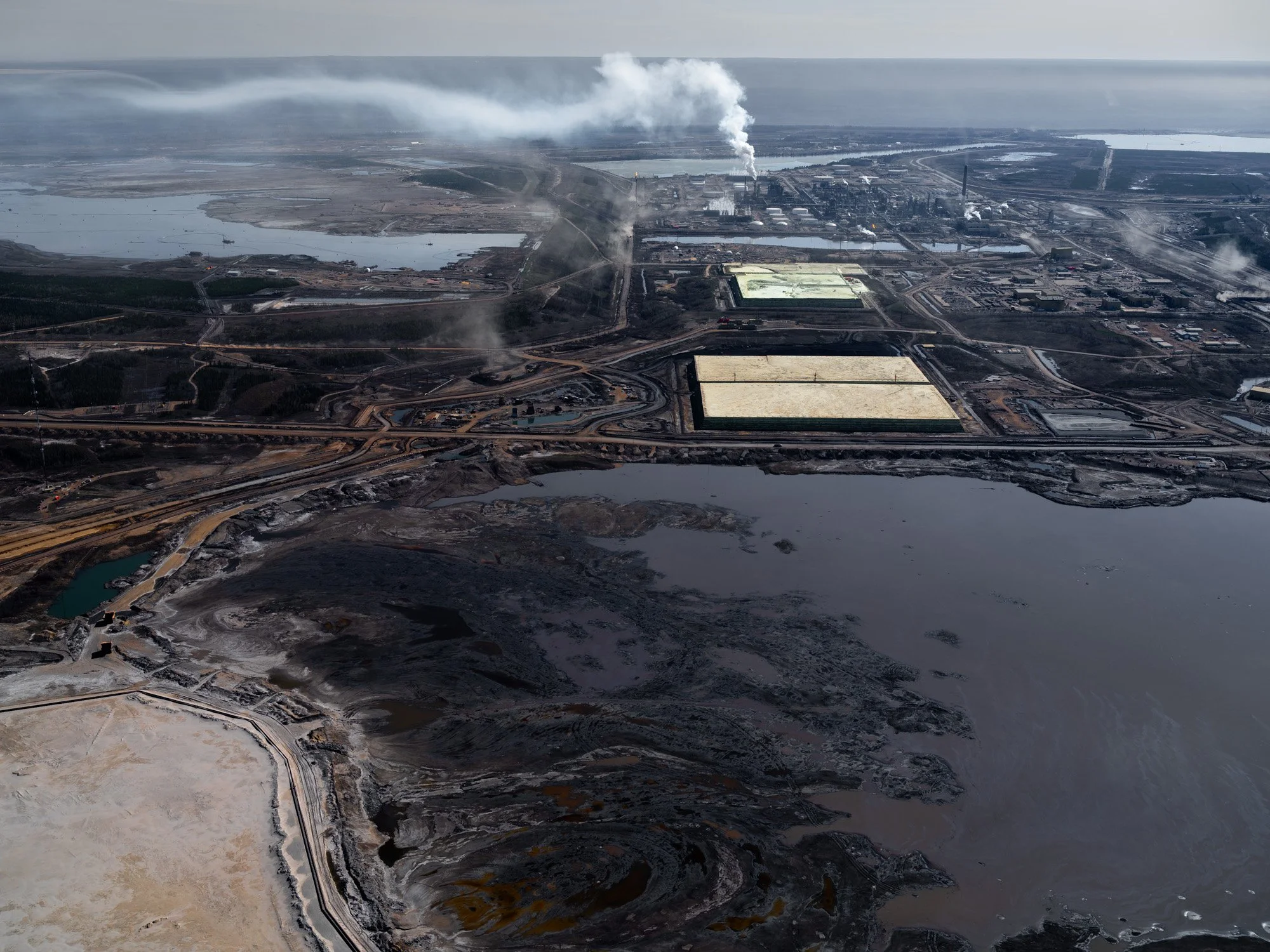
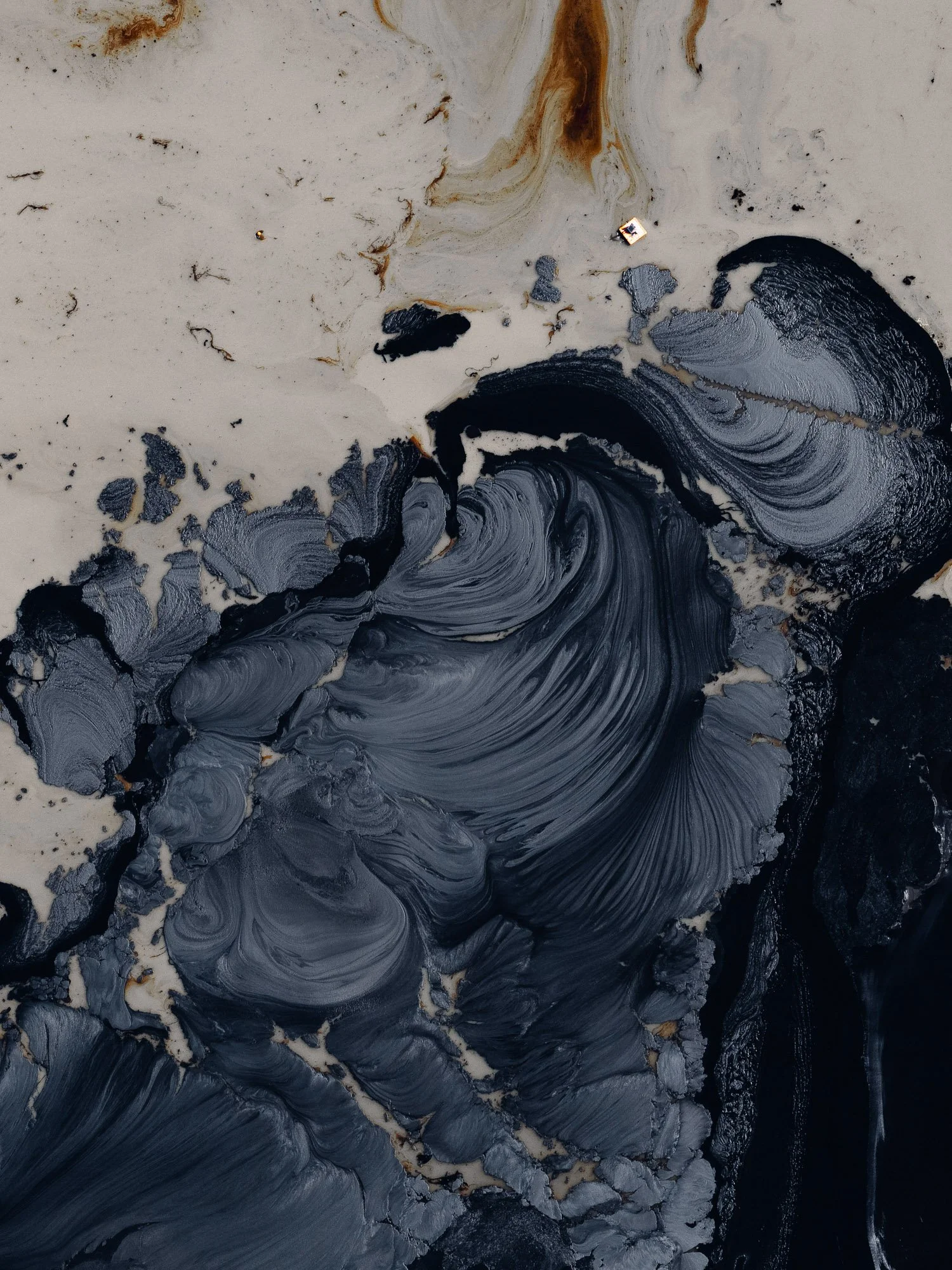
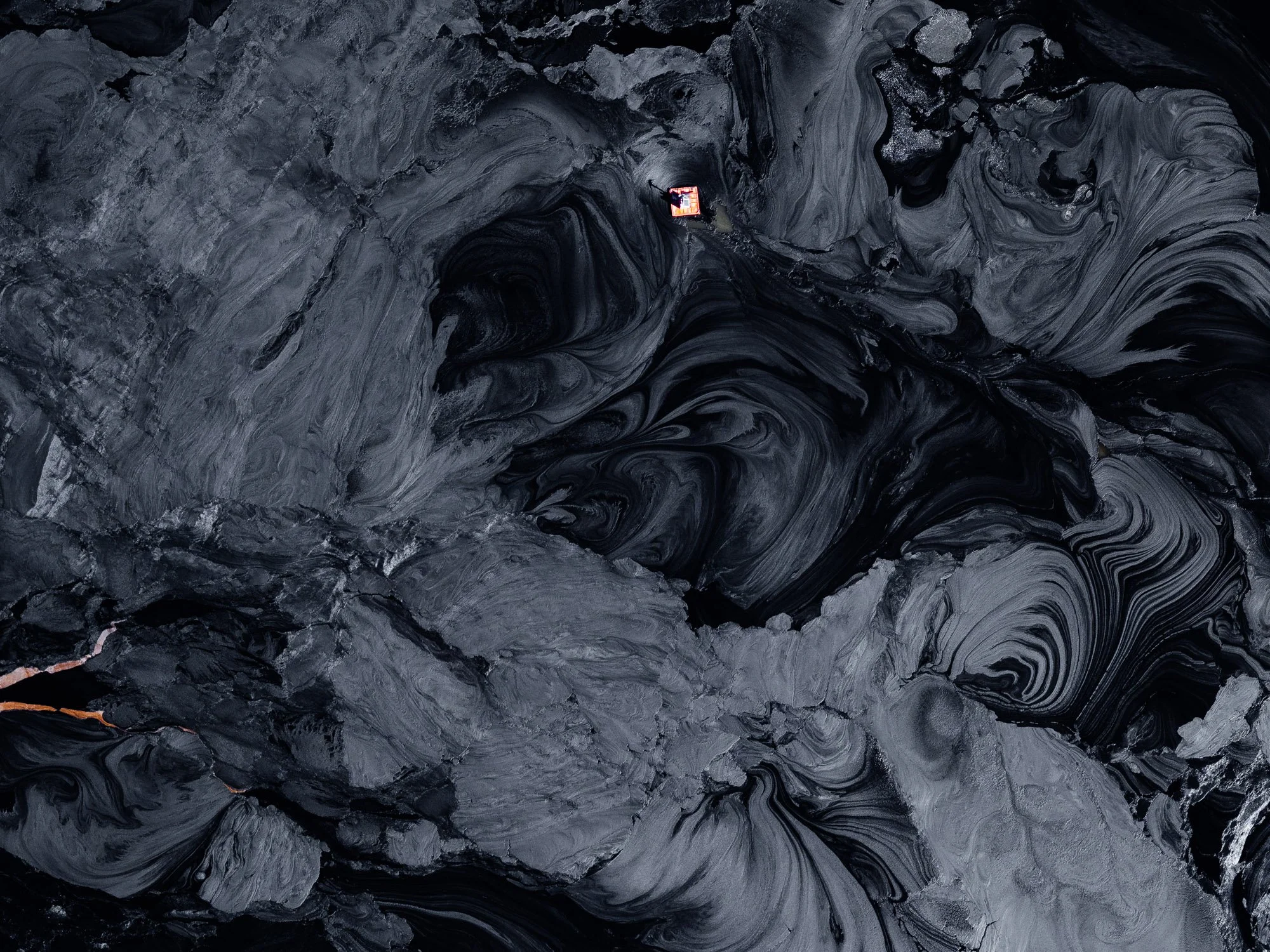
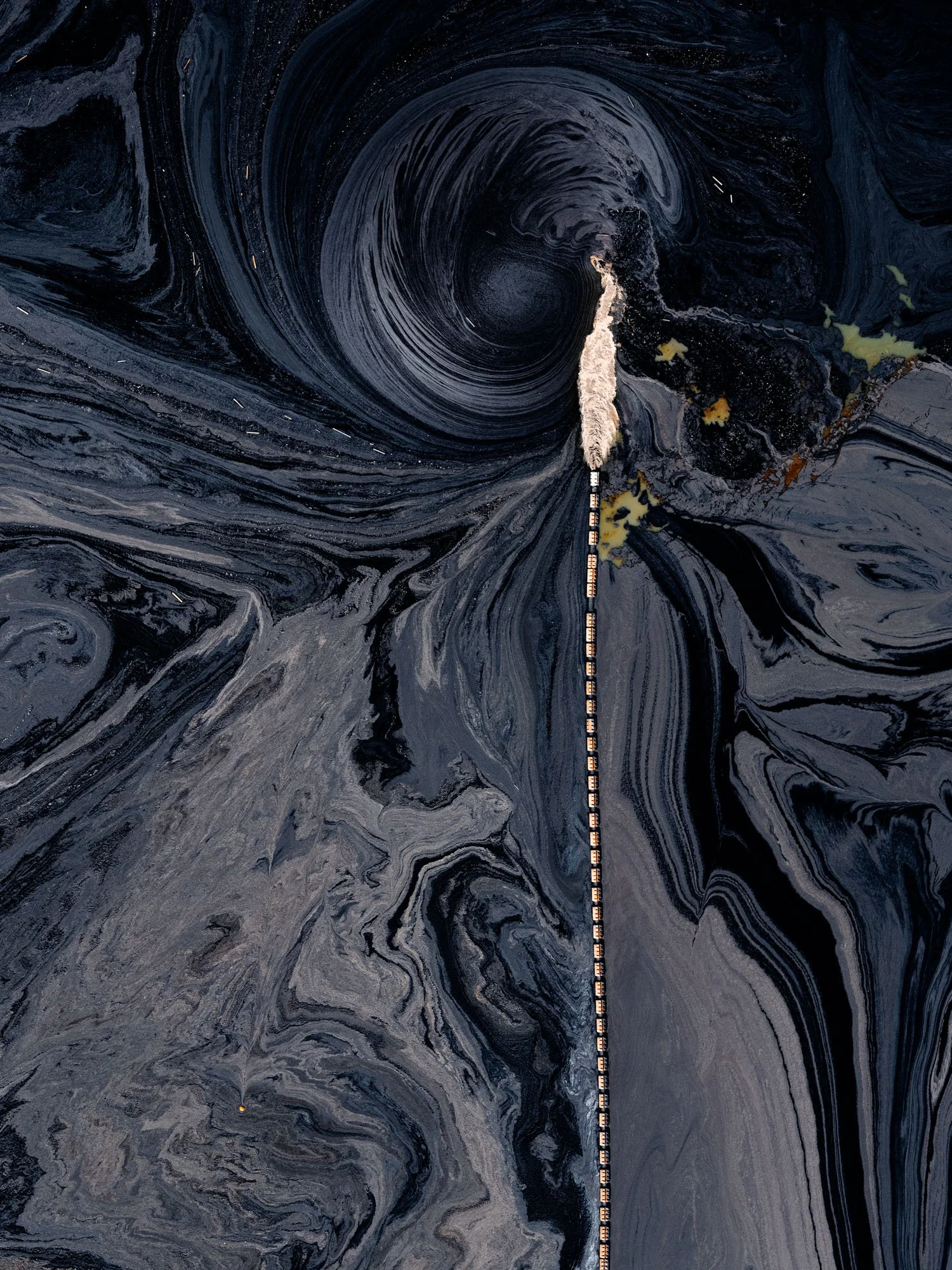
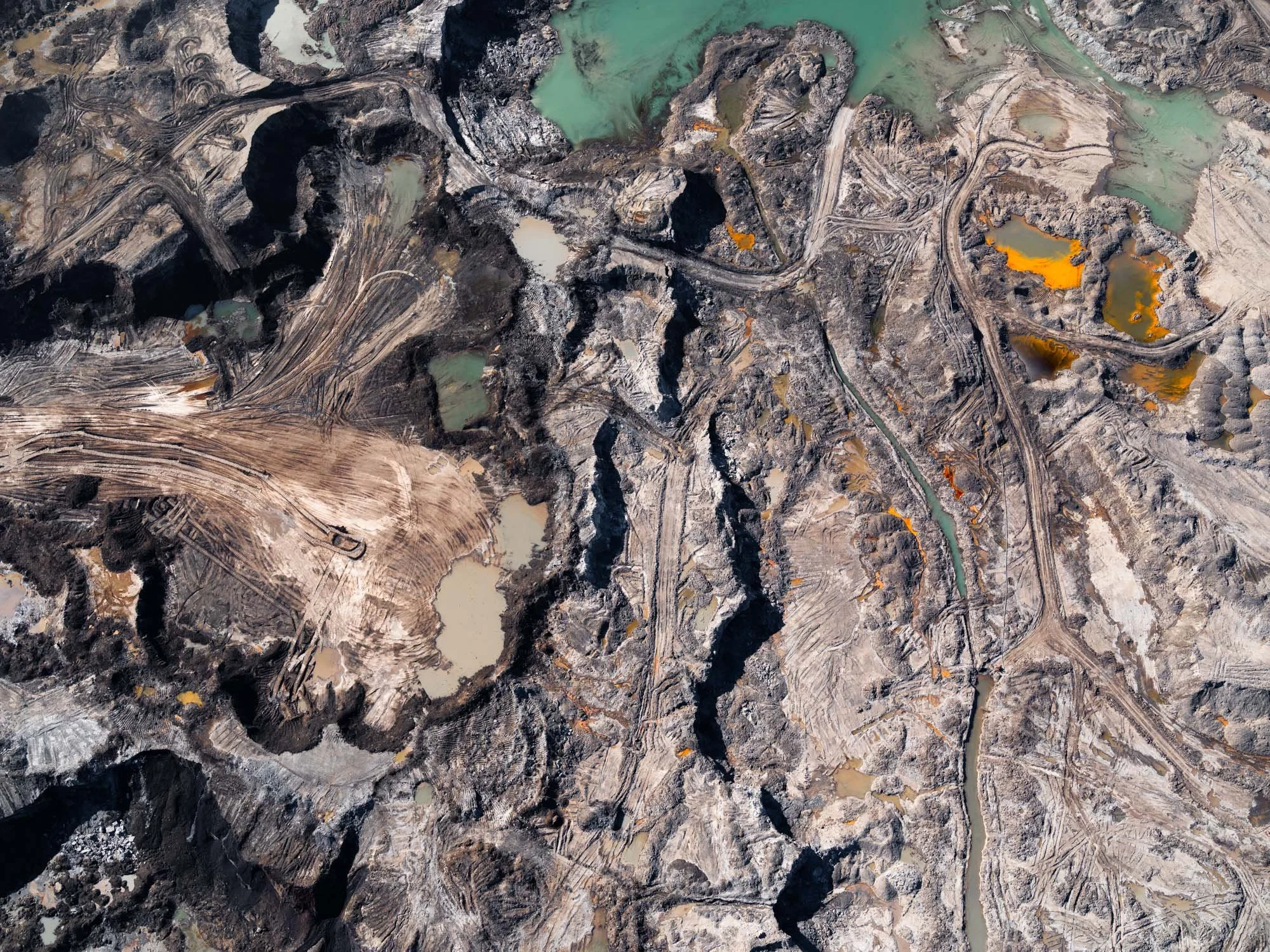
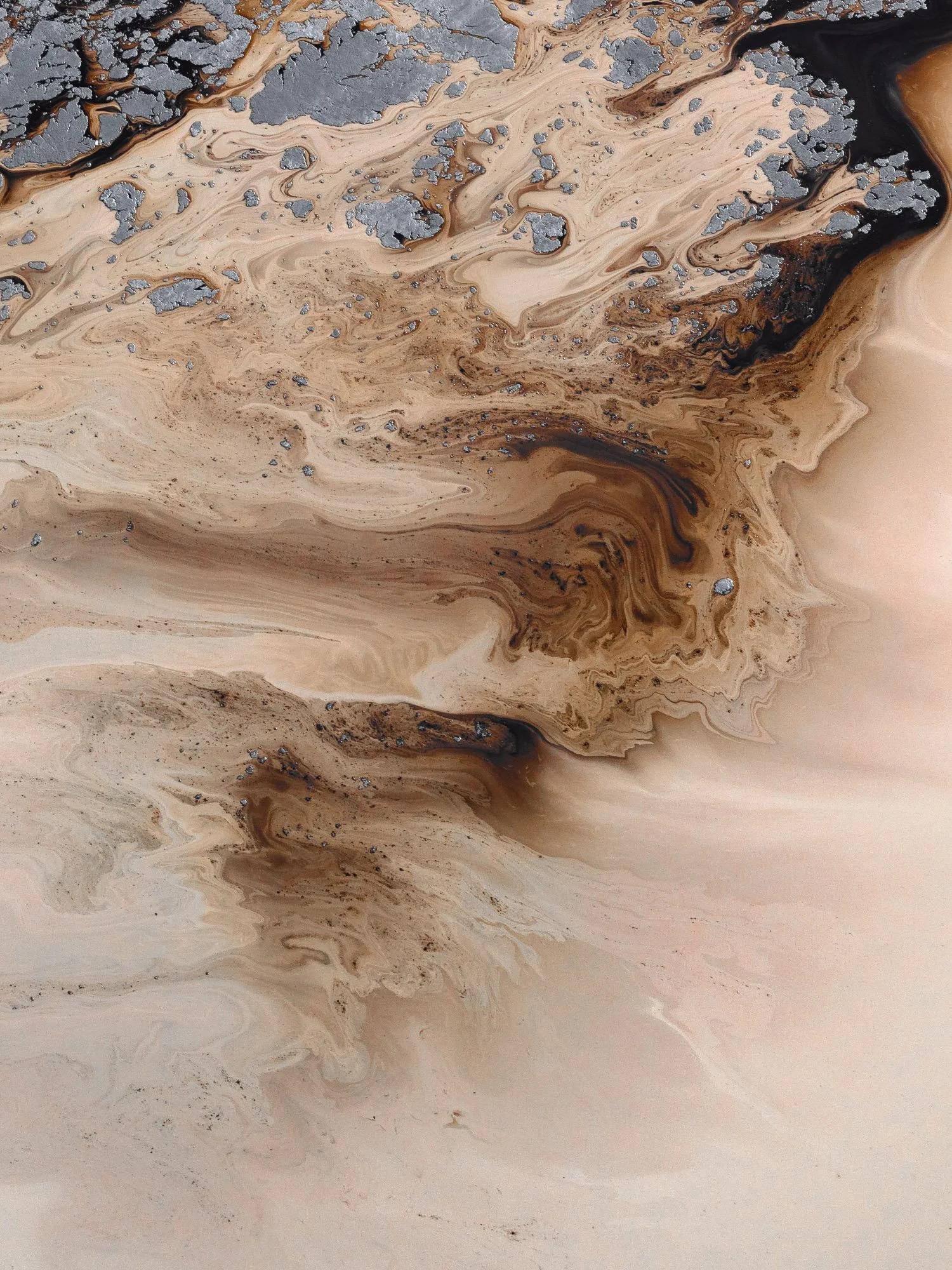
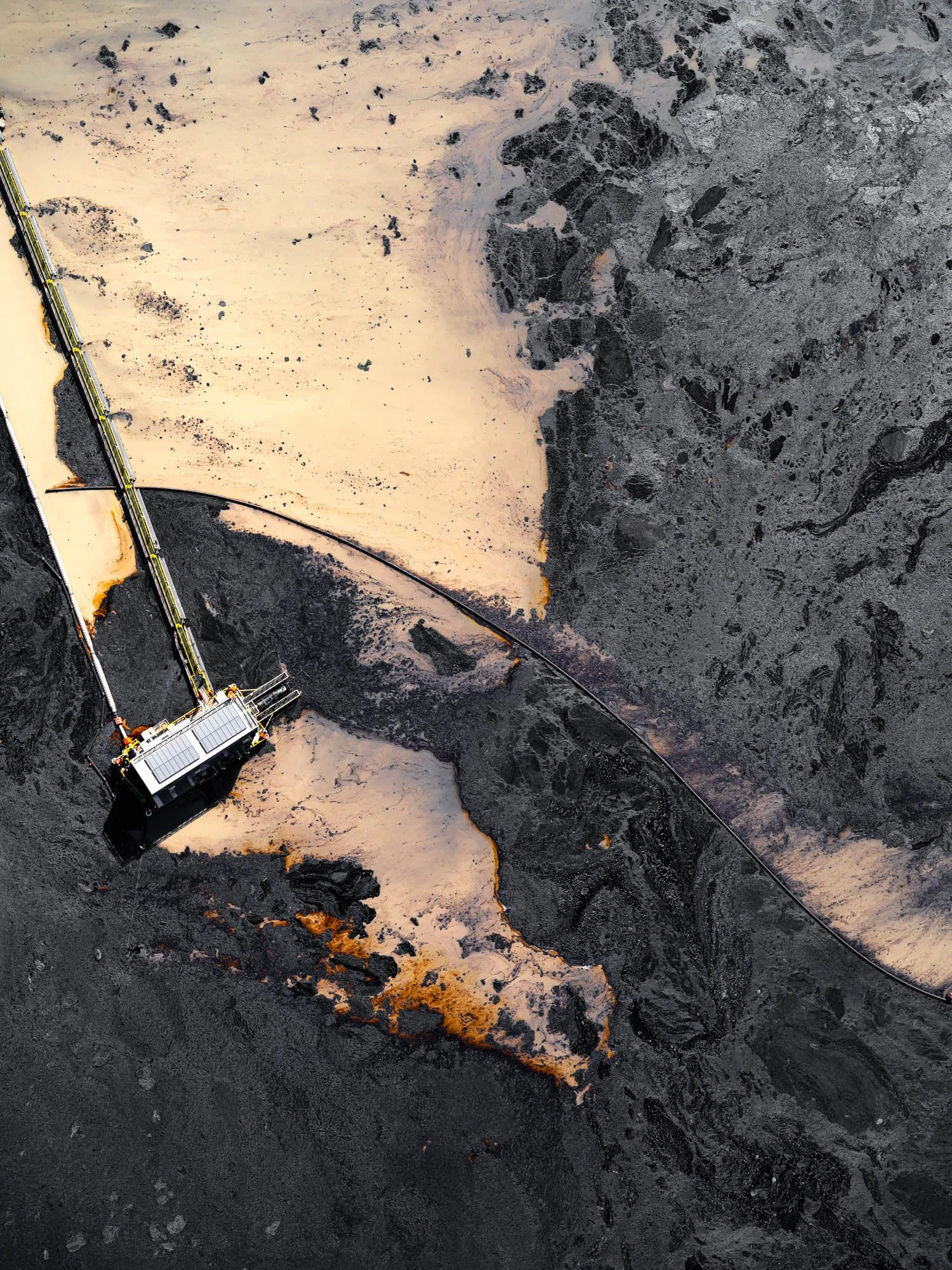
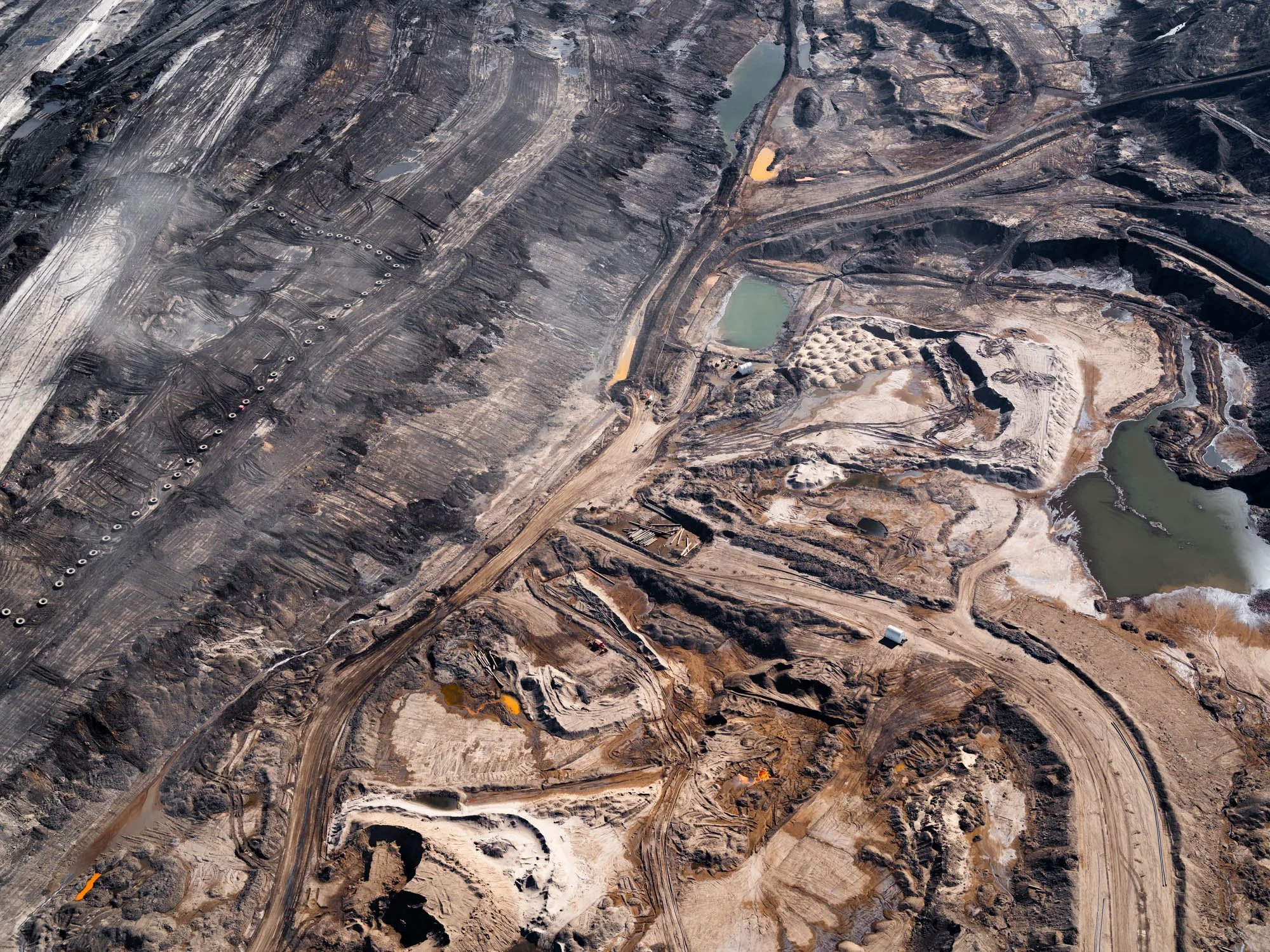
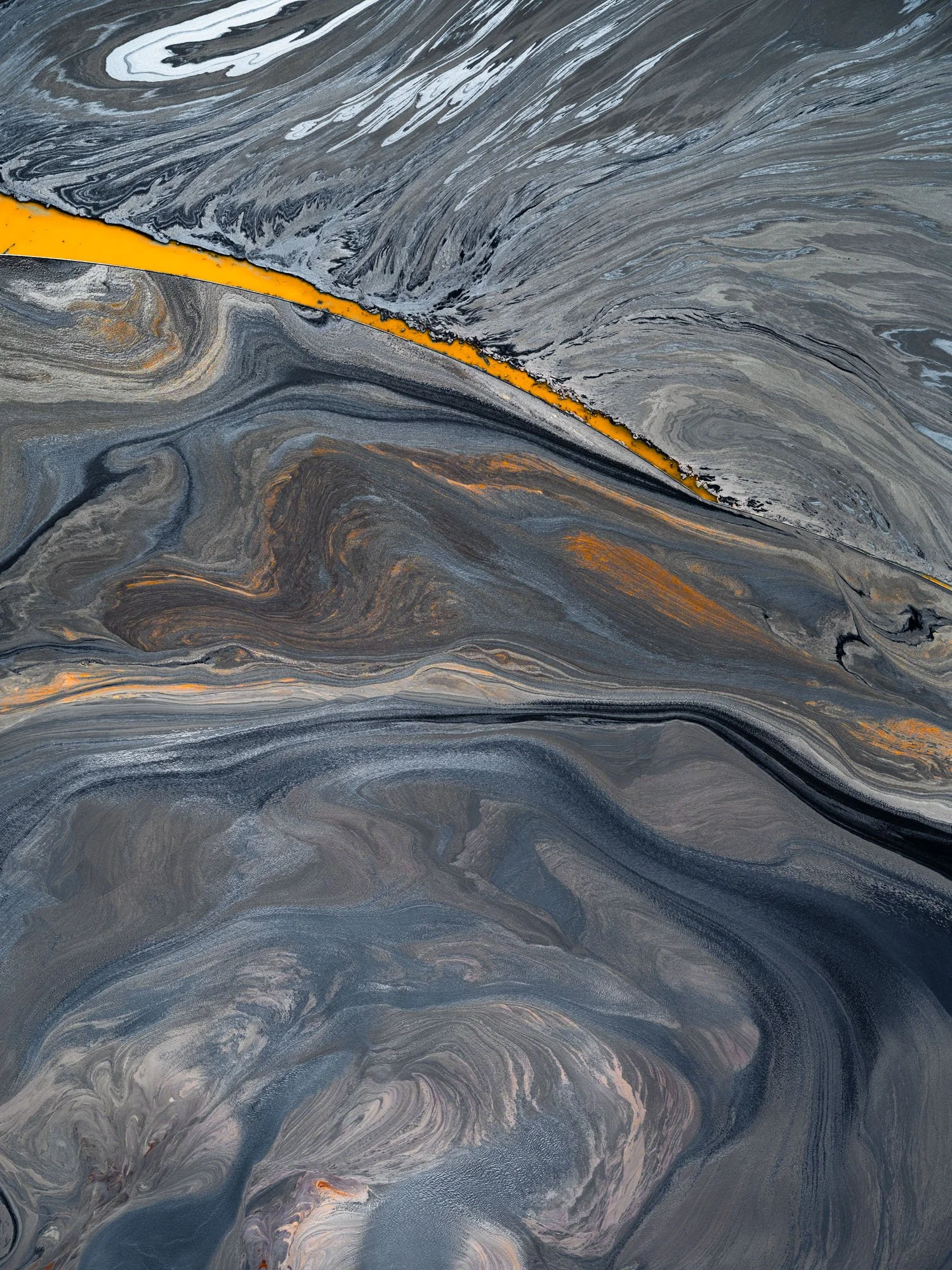
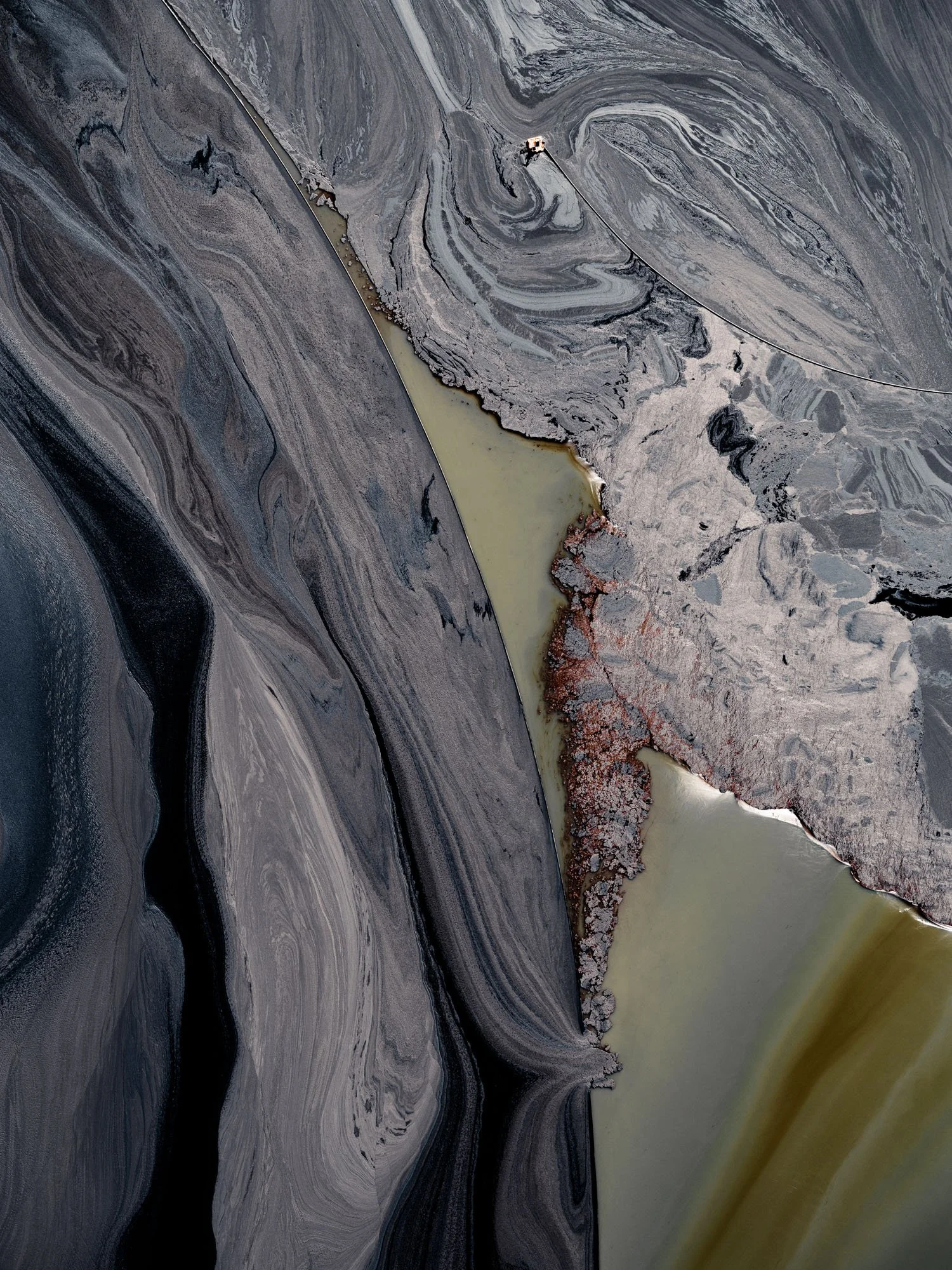
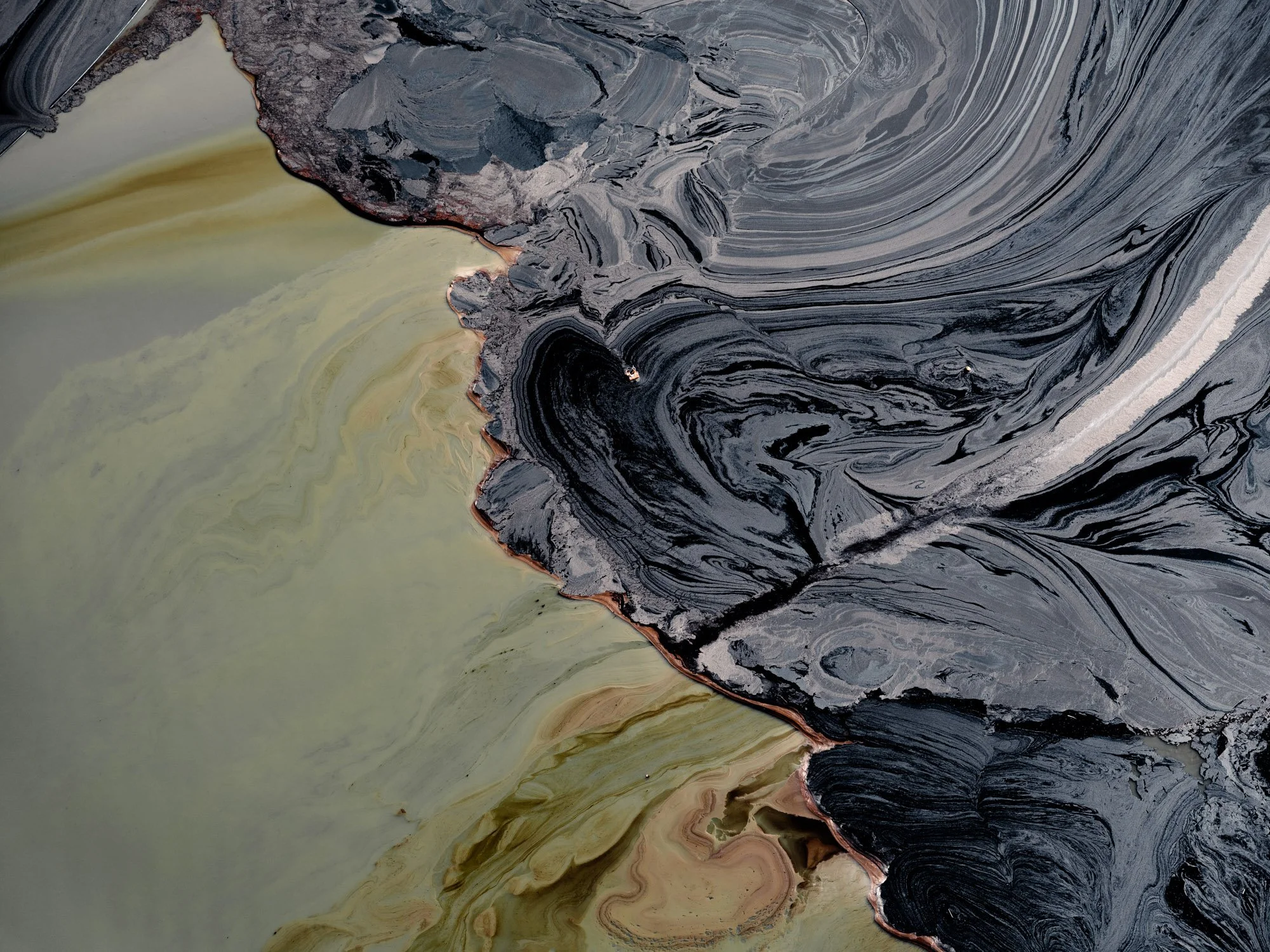
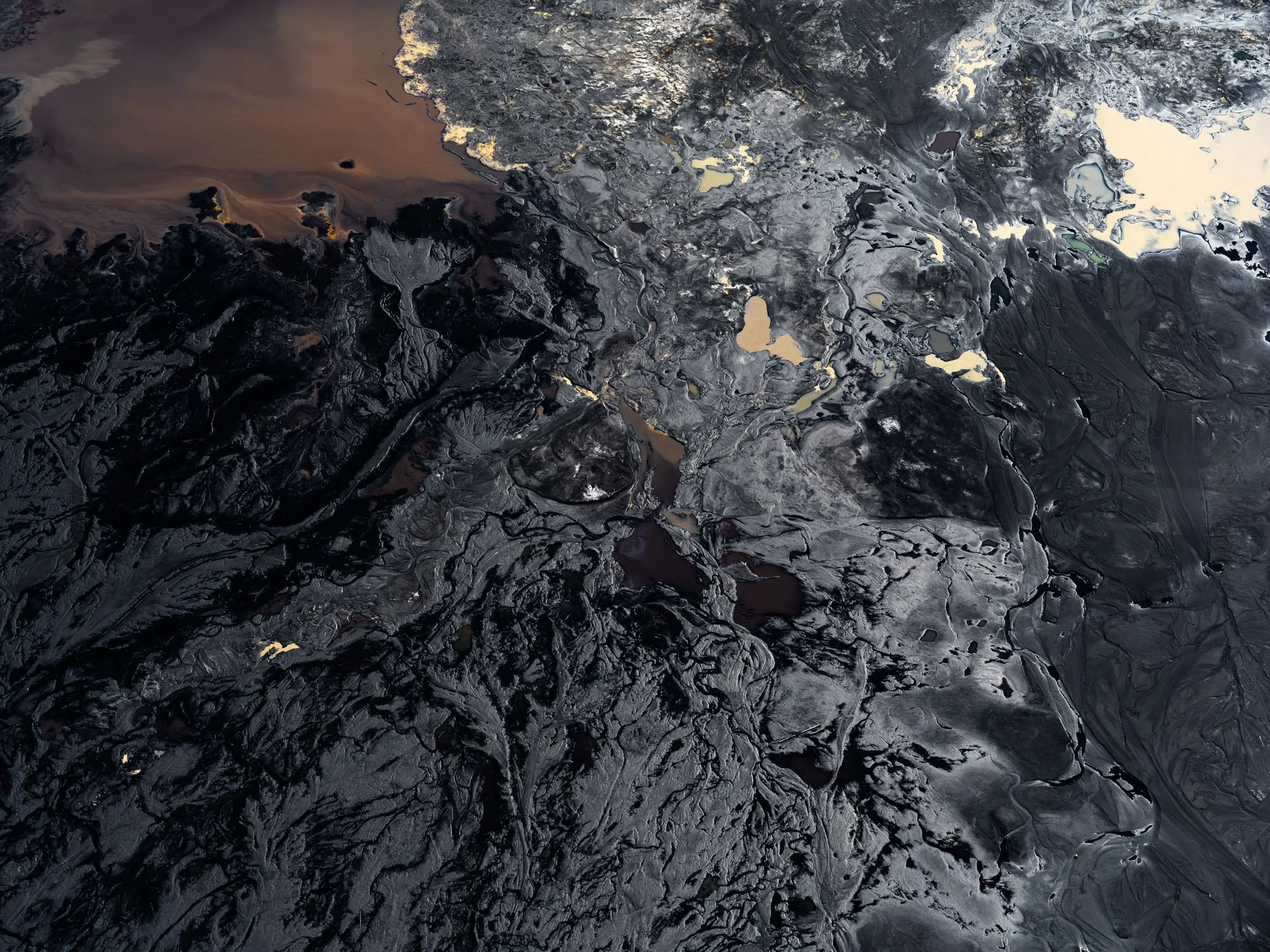
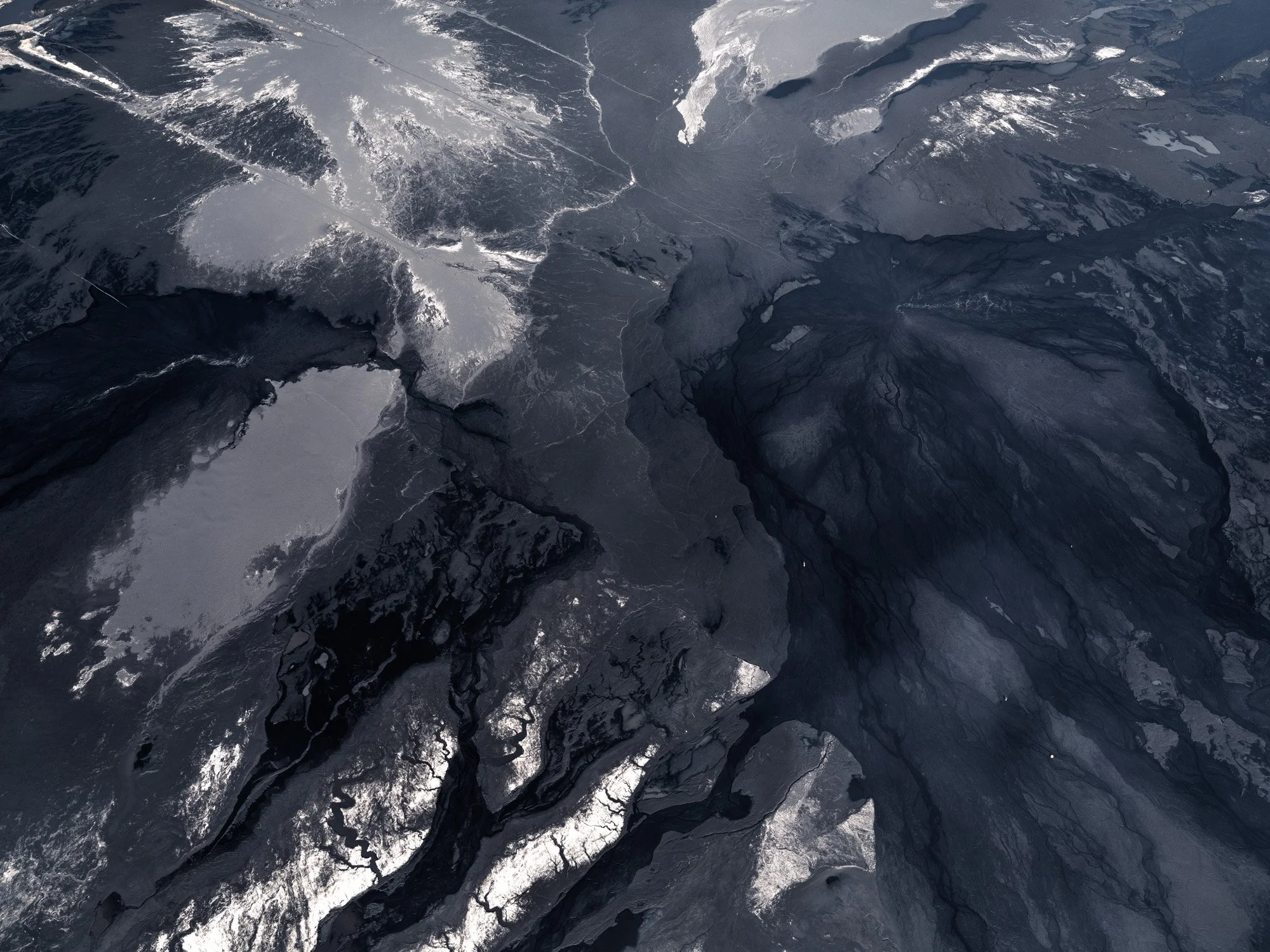
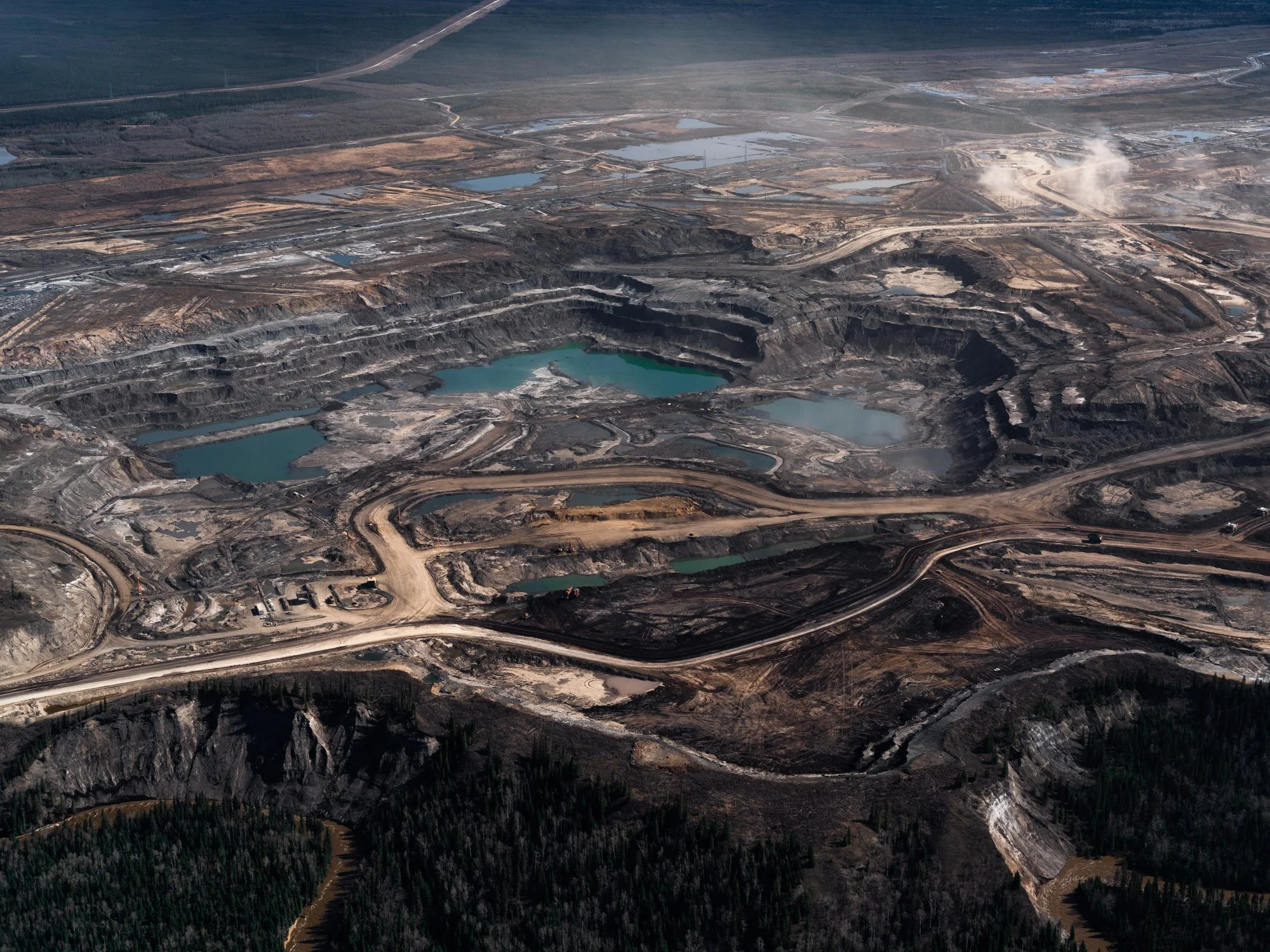
Seen from above, forests give way to enormous excavation sites, winding roads, geometric structures, and vast tailings ponds. The landscape appears almost unreal - at times resembling an abstract painting or the surface of another planet. Only from the air does the true scale of this industrial transformation become visible. Beneath the forest lies bitumen, a dense form of petroleum mixed with sand, clay, and water. Extracting it requires the removal and reshaping of entire layers of land. What remains is a complex landscape that reflects both environmental intervention and an industry deeply connected to modern life, employment, and economic prosperity. I photographed these regions during several flights in small aircraft and helicopters. What fascinated me most was the tension between appearance and reality: from above, these altered landscapes can be extraordinarily beautiful, yet every shape and color is the result of a physical process of extraction.
Rather than offering a simple judgment, this series makes visible a landscape most of us encounter only indirectly—through the products we consume and the energy we use. It asks how much land we are willing to transform for the resources we depend on, and what will remain when they are gone.
Selected artworks are available as fine art prints.